What Does Caviar Taste Like? A Guide to Flavour, Texture and Saltiness

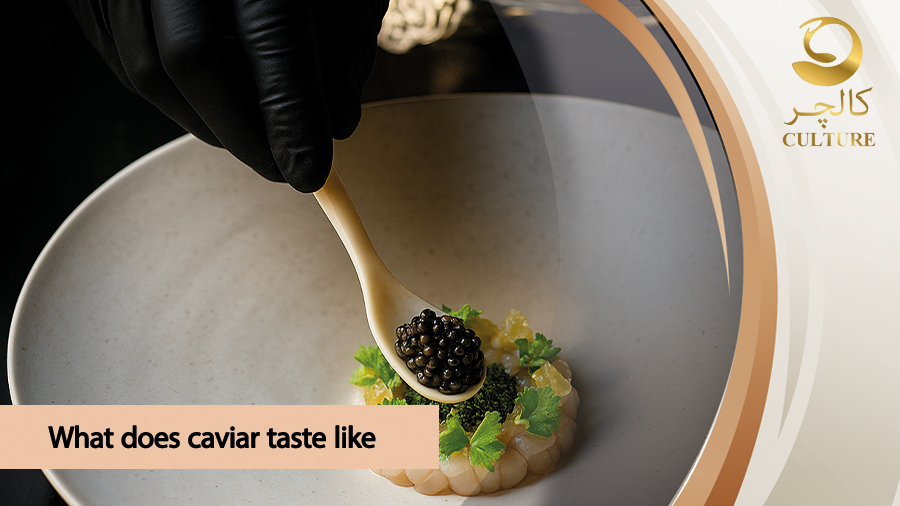
Caviar has a delicate but distinctive flavour that can be difficult to describe until you taste it for yourself. Good caviar can be lightly briny, savoury and buttery, with a clean finish and a texture that ranges from soft and creamy to firm and defined. The exact flavour depends on the sturgeon species, the way the roe is salted and the individual caviar. If you are trying caviar for the first time, the flavour is usually less strongly “fishy” than people expect. Instead, you may notice a clean marine character, gentle saltiness, a rich mouthfeel and, in some types, nutty or mineral notes.
What Does Fresh Caviar Taste Like?
Fresh caviar should have a clean, fresh flavour that allows the natural character of the roe to come through. Salt is an important part of the experience, but it should not completely hide the flavour of the eggs. Depending on the species and preparation, you may notice several different sensations at once. These can include:
- Light brininess
- Gentle saltiness
- Buttery or creamy notes
- Savoury, marine flavours
- Nutty notes
- Mineral or earthy hints
- A clean or lingering finish
Caviar is also a food where texture is closely connected to flavour. As the eggs rest on the tongue and gently break, their flavour develops rather than arriving all at once. This is one reason why tasting caviar slowly is useful. Instead of swallowing immediately, allow the pearls to rest briefly on the tongue and notice how the flavour changes.

Is Caviar Salty?
Yes, caviar is naturally salty, but the level of saltiness can vary. Caviar is traditionally salted as part of its preparation, so salt is an important part of its flavour. However, well-prepared caviar should not simply taste like salt. The seasoning should work with the natural flavour of the roe. There is a difference between salty and overly salty caviar. When the salt dominates every other sensation, it can make it difficult to notice the more delicate flavours of the roe.
The type and level of salting can therefore have a strong effect on the tasting experience. Two caviars from different species may have noticeably different flavour profiles even when both are properly salted. When tasting caviar, pay attention to what happens after the initial saltiness. Does the flavour become buttery, nutty or savoury? Does it leave a clean finish? These details can tell you more about the caviar than saltiness alone.
Is Caviar Fishy?
Caviar can have a light marine or ocean-like character, but good fresh caviar should not have an unpleasantly strong fishy taste or smell. This distinction is important, especially for first-time buyers. Caviar comes from fish, so a subtle marine note is not unusual. However, a harsh, stale or unpleasant fishy character is different from the clean savoury flavour normally associated with well-handled caviar.
The way caviar is handled and kept can affect its sensory qualities. If you notice a strong unpleasant smell, sour taste, metallic character or other unusual off-flavour, the caviar may not be at its best. Taste should therefore be considered together with freshness, handling and storage rather than judged by the presence or absence of any marine note alone.
What Does Caviar Texture Feel Like?
Texture is one of the most noticeable parts of eating caviar. Caviar consists of individual roe grains, so you can usually feel the pearls separately in your mouth. Depending on the species and product, the grains may feel soft, delicate and creamy or firmer and more defined. As you taste the caviar, the grains may gently pop or break under light pressure. This releases their flavour and creates a second stage of the tasting experience. Some useful words for describing caviar texture include:
- Grain: the individual roe pearls can be felt clearly in the mouth.
- Firm: the grains remain clearly defined when you taste them.
- Soft: the pearls feel more delicate and give easily.
- Creamy: the texture creates a rich, smooth sensation.
- Clean: the grains feel fresh and distinct rather than heavy or unpleasant.
Texture should not be judged separately from flavour. The way the grains feel and release their contents is part of what makes different caviar types distinctive.
How Does Caviar Taste by Type?
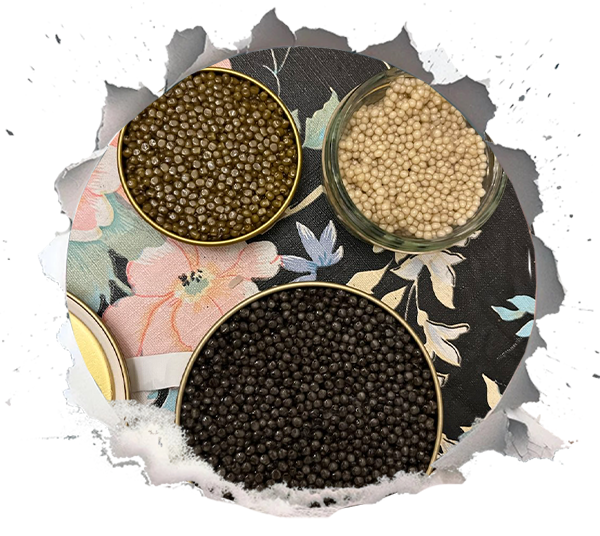
There is no single caviar flavour. Different sturgeon species can produce noticeably different sensory profiles. For a broader introduction to the different varieties, see our caviar types guide.
Beluga Caviar
Beluga is known for its delicate and luxurious texture, with large, soft pearls and a rich mouthfeel. Its flavour can be described as buttery and creamy, with a gentle marine character and subtle nutty warmth. Rather than being dominated by salt, a good Beluga allows its softer flavour to develop gradually.The large grain size also contributes to the tasting experience. The pearls can feel delicate when placed on the tongue and release their flavour gently. Explore our Beluga caviar selection to see the available products.
Ossetra Caviar
Ossetra is often associated with a more pronounced and complex flavour profile. Depending on the product, you may notice buttery, nutty and savoury notes alongside a clean marine character. The grains are generally firm enough to feel clearly in the mouth, creating a different texture from the softer character associated with Beluga. The finish can remain on the palate for longer, making Ossetra particularly interesting for people who want to explore more developed caviar flavours. You can explore the available Ossetra caviar varieties at Culture Caviar.
Sevruga Caviar
Sevruga can have a more noticeable briny character, with savoury and buttery notes. Its smaller grains create a different mouthfeel from large-grain caviar. Rather than focusing only on the size of the pearls, taste the way the grains feel and how quickly their flavour develops. The flavour can be lively and marine while still having the buttery character expected from quality caviar.
Baerii Caviar
Baerii caviar can offer a clean, savoury profile with buttery and nutty notes. Its flavour is often balanced rather than dominated by one strong characteristic. The texture can be firm enough for the individual grains to remain clearly noticeable during tasting. For someone exploring different caviar species, Baerii can therefore provide another useful point of comparison alongside Beluga, Ossetra and Sevruga.
Hybrid Caviar
Hybrid caviar can vary according to the sturgeon varieties used, but it can offer a balanced combination of rich texture and gentle flavour. Culture Caviar’s Hybrid selections can show buttery and nutty characteristics, with a gentle almond-like note in some products. The grains can also be large and firm, giving the caviar a clearly defined texture. The best way to understand these differences is to compare caviars side by side rather than relying only on descriptions.
Caviar Taste and Texture: A Quick Comparison
| Caviar type | Typical flavour direction | Texture |
|---|---|---|
| Beluga | Buttery, creamy, delicate, lightly marine | Soft, delicate, large pearls |
| Ossetra | Nutty, buttery, savoury, marine | Firm, defined grains |
| Sevruga | Briny, savoury, buttery | Smaller, defined grains |
| Baerii | Clean, buttery, nutty, savoury | Firm and distinct |
| Hybrid | Gentle, buttery, nutty, sometimes almond-like | Firm, often large grains |
These descriptions are useful as a starting point, but taste is personal. Individual products can also vary, so tasting notes should be treated as a guide rather than a fixed rule.
How Does Salting Affect Caviar Flavour?
Salting does more than simply make caviar taste salty. It is part of the way the finished flavour develops. A well-balanced cure should allow the natural character of the roe to remain noticeable. If the saltiness is very strong, it can dominate the palate and make more delicate notes harder to detect. This is why two caviars can have different tasting experiences even when they come from similar types of sturgeon. The species, roe characteristics and salting all contribute to the final flavour. When tasting, try to separate the first sensation of saltiness from the flavour that follows it. After the initial briny note, you may notice buttery, nutty, savoury or mineral characteristics.
How to Taste Caviar Properly
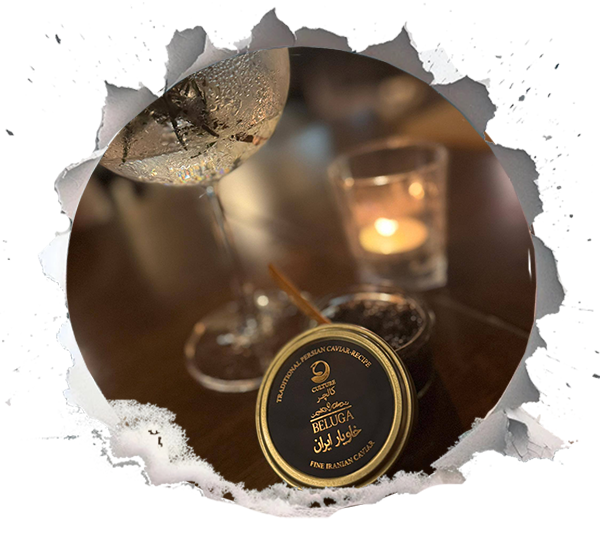
Caviar is best tasted simply, especially when you want to understand its natural flavour.
1. Start with the aroma
Before tasting, take a moment to notice the aroma. Fresh caviar can have a subtle marine character, but it should not have an unpleasant or overpowering smell.
2. Taste a small amount
Take a small spoonful rather than a large serving. A small amount is enough to notice the texture and flavour. For the clearest tasting experience, use a non-reactive spoon such as mother-of-pearl, glass or another suitable material rather than an ordinary reactive metal spoon.
3. Notice the texture
Let the grains rest on your tongue. Pay attention to whether they feel soft, creamy or firm and clearly defined. Notice how the individual pearls release their flavour when they gently break.
4. Look for the flavour that follows the saltiness
The first sensation may be briny or salty. Do not stop there. Ask yourself:
- Is the flavour buttery?
- Do you notice nutty notes?
- Is there a clean marine character?
- Does the flavour develop gradually?
- How long does the finish remain?
These questions make it easier to describe what you are actually tasting.
5. Taste it again
A second taste can reveal details that you missed the first time. This is particularly useful when comparing different species. If you are trying several types, taste them separately and compare their flavour, texture and finish.
What Flavours Can Suggest Poor Handling?
Not every unusual flavour means that caviar is spoiled, but certain sensations can be a reason to check its freshness and handling. An unpleasantly strong fishy smell, sour flavour, stale character or unusual metallic note can indicate that the product is not in the condition you would expect from fresh, properly handled caviar. Texture can also provide useful clues. If the roe feels unusually mushy or has lost the distinct character of individual grains, this may be worth investigating. However, taste alone cannot confirm the cause of an off-flavour. If caviar seems unusual, check the product information, packing date and storage conditions rather than assuming that one flavour automatically indicates spoilage.
Frequently Asked Questions
For a first-time taster, caviar may taste lightly salty and briny, with a clean marine character. Depending on the type, you may also notice buttery, creamy, nutty or savoury notes. The texture is equally important, as the individual grains can feel soft or firm and release their flavour as they break.
Caviar can have a subtle marine or ocean-like character, but it should not have a harsh or unpleasantly fishy flavour or smell. A strong stale, sour or unpleasant fishy character may indicate an issue with freshness or handling.
Caviar is naturally salty because salt is part of its preparation, but good caviar should not taste like salt alone. The level of saltiness varies between products, and well-balanced caviar allows the natural flavour of the roe to remain noticeable.
Caviar texture depends on the type and product. The grains may feel soft, creamy and delicate or firm and clearly defined. As the pearls gently break in the mouth, they release their flavour and contribute to the overall tasting experience.
There is no single answer because flavour is influenced by species, salting and the individual product. Sevruga can have a more noticeable briny character, while Ossetra is often associated with nutty and savoury notes. Beluga tends to be described in terms of a more delicate, buttery character.
Yes. Beluga, Ossetra, Sevruga, Baerii and Hybrid caviars can have different flavour and texture profiles. Comparing species is one of the best ways to understand how caviar can range from delicate and buttery to more pronounced, briny and nutty.