Why Every Caviar Harvest Is Unique: Understanding Nature’s Influence on Premium Caviar

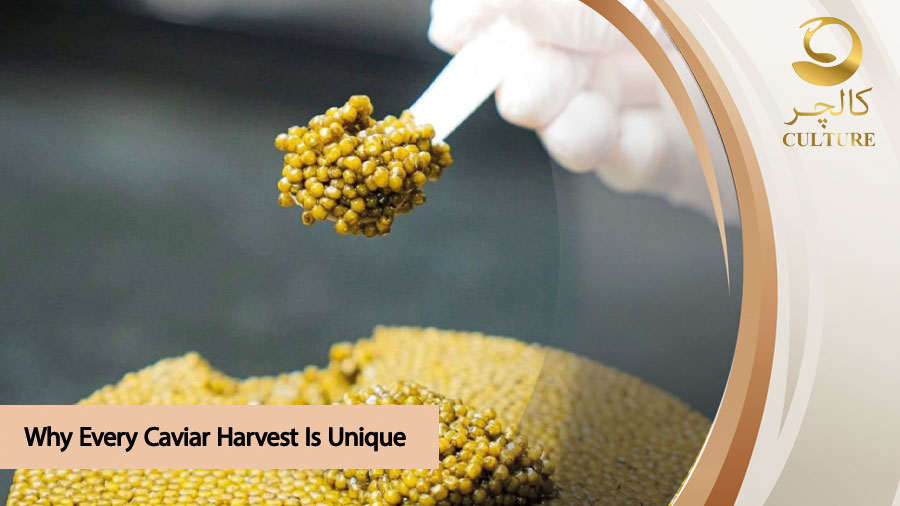
Anyone who has enjoyed caviar more than once will have noticed something curious: no two tins ever taste quite the same. The colour of the pearls might shift from deep charcoal to warm amber, the texture can feel firmer or more delicate, and the flavour may lean nuttier one season and creamier the next. This isn’t inconsistency on the part of the producer; it’s the natural result of how a caviar harvest actually works. Understanding why each harvest differs helps explain what makes genuinely premium caviar quality so difficult to replicate, and so highly prized.
What Is a Caviar Harvest?
A caviar harvest is the process of collecting roe from female sturgeon once the eggs have reached full maturity. Unlike most food production cycles, this isn’t something that can be rushed or scheduled to a fixed calendar date. Sturgeon are slow-maturing fish, and depending on the species, it can take anywhere from seven to twenty years before a female is ready to produce roe suitable for harvesting.
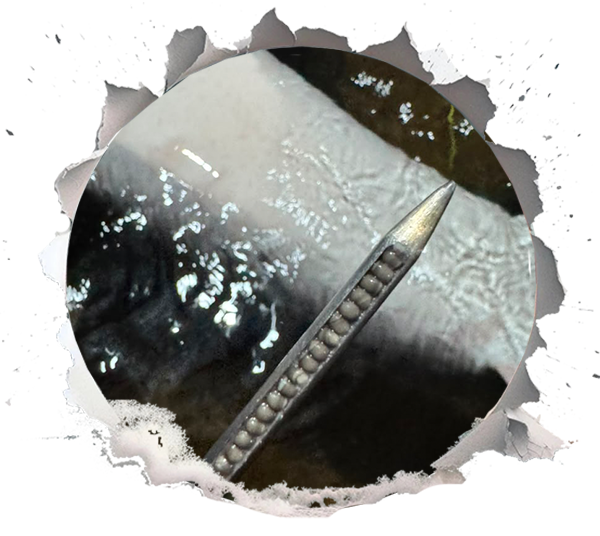
When the time comes, producers carefully assess each fish, checking the size, colour, and firmness of the eggs before making the decision to harvest. The roe is then gently extracted, rinsed, graded, and salted using traditional methods that have barely changed in over a century. This final step, known as malossol (meaning “little salt” in Russian), is what transforms fresh roe into the caviar we recognise on the plate.
Because each fish develops at its own pace and every harvest depends on precise timing, no single caviar harvest is ever truly identical to the last. This is one of the main reasons people often wonder what caviar tastes like, and receive a different answer depending on which year, producer, or batch they’ve tried.
What Influences Each Harvest?
Several interconnected factors shape the outcome of a caviar harvest, and most of them trace back to the environment in which the sturgeon are raised.
- Water temperature and quality play a significant role. Sturgeon are highly sensitive to changes in their surroundings, and even small fluctuations in water temperature can affect how quickly the eggs mature and how they develop in flavour and texture. Oxygen levels, mineral content, and water clarity also influence the health of the fish and, by extension, the quality of the roe.
- Diet and feeding regimes matter just as much. What a sturgeon eats throughout its life shapes the fat content and flavour profile of its eggs. Producers who invest in carefully balanced, high-quality feed tend to produce roe with a richer, more consistent taste.
- Genetics and species also come into play. Beluga, Osetra, and Sevruga sturgeon each produce roe with distinct characteristics, and even within a single species, individual fish can vary due to genetic differences passed down through breeding lines.
- Seasonal and climatic conditions add another layer of unpredictability. A particularly warm or cold season, changes in rainfall, or shifts in the surrounding sturgeon habitat can all subtly alter how the fish behave and how their eggs mature that year.
Why Different Years Produce Different Results
Given how many variables are at play, it’s easy to see why a caviar harvest from one year can differ noticeably from the next, even when it comes from the very same farm. Think of it in the same way wine enthusiasts think about vintages. A grapevine grown in the same vineyard, using the same techniques, will still produce a different wine depending on that year’s rainfall, sunlight, and temperature.
Sturgeon respond to their environment in a similar way. A slightly cooler winter, a change in water source, or even a shift in feeding schedule can nudge the eggs towards a firmer texture or a subtler flavour. This natural variation isn’t a flaw; it’s part of what makes caviar such a genuinely artisanal product. Mass-produced foods aim for uniformity, but caviar, by its very nature, resists it. Each harvest tells its own story, shaped by the specific conditions the sturgeon experienced during that particular growth cycle.
How Producers Maintain Premium Quality Every Year
Given all this natural variability, how do reputable producers ensure that premium caviar quality remains consistently high, year after year, even if the flavour itself shifts slightly?
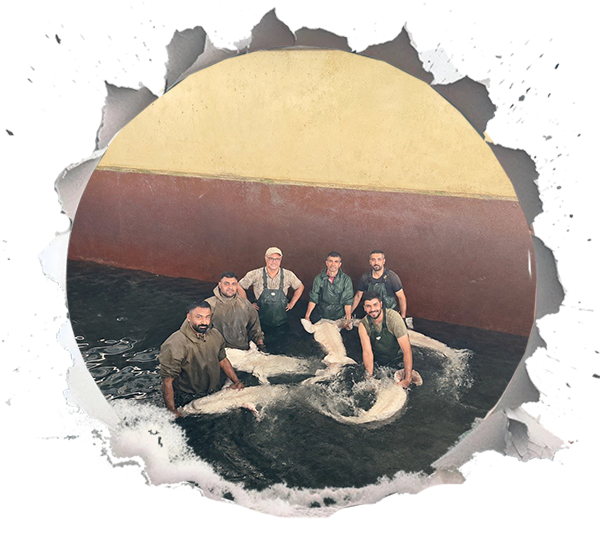
The answer lies in rigorous, hands-on management. Leading caviar houses closely monitor water conditions daily, adjusting temperature and filtration systems to keep the sturgeon as comfortable and stress-free as possible. Stress in fish, much like in humans, can affect development, so calm, stable environments are a priority. Skilled harvesters also play a crucial role. Determining the exact right moment to harvest requires years of experience; harvest too early, and the eggs lack their full flavour; too late and the texture can suffer. This expertise is what separates a mediocre batch from an exceptional one.
Modern sturgeon farming techniques have also transformed the industry’s reliability. Controlled aquaculture environments allow producers to replicate ideal conditions far more consistently than relying on wild populations ever could, while still respecting the natural rhythms sturgeon need to thrive. Combined with strict grading standards, where each batch of roe is assessed for size, colour, firmness, and aroma before it’s approved, producers can maintain a dependable standard of excellence, even as subtle characteristics shift from one harvest to the next. Responsible practices matter here too. Many top producers now operate under sustainable caviar certifications, ensuring that farming methods protect both the sturgeon population and the surrounding ecosystem for future harvests. This isn’t just good practice; it also tends to correlate with healthier fish and, in turn, better-quality roe.
How Harvest Differences Affect the Final Caviar
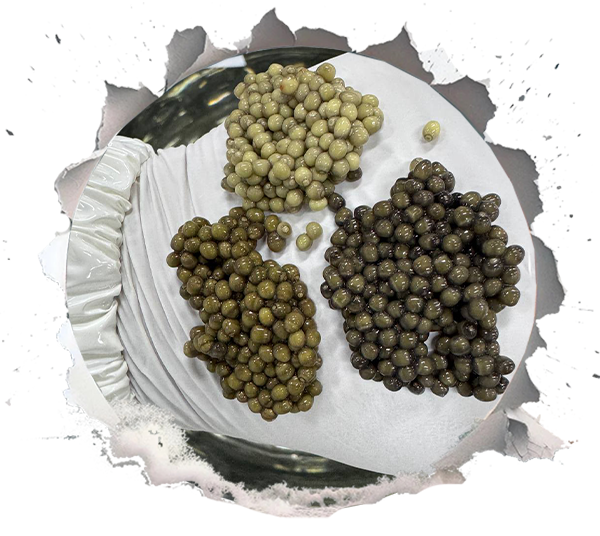
So, what does all this mean for the caviar you actually taste? Firstly, expect variation in colour. Depending on the harvest, roe can range from pale golden to deep black, and this isn’t an indicator of quality on its own; simply a reflection of natural conditions during that cycle. Secondly, texture can shift subtly between harvests. Some batches will have a firmer “pop,” while others feel softer and creamier on the palate. Neither is inherently better; it comes down to personal preference and the specific characteristics of that harvest.
Thirdly, and perhaps most noticeably, flavour will vary. Notes can range from buttery and mild to distinctly briny or nutty, depending on the diet, environment, and species involved. This is precisely why seasoned caviar lovers often collect different vintages, much like wine collectors, to experience the full range of what a single producer can offer over time. For those new to caviar, this variability can actually be part of the appeal. Rather than expecting one fixed flavour, it’s worth approaching each tin with curiosity; appreciating it as a snapshot of a very specific set of natural conditions that can never be exactly repeated.
Choosing Caviar With Confidence
Understanding the factors behind every caviar harvest doesn’t just satisfy curiosity; it also helps you make more informed choices when selecting caviar for yourself or as a gift. Look for producers who are transparent about their farming practices, harvesting standards, and sourcing, as this transparency is usually a strong indicator of consistent quality. If you’re ready to explore this for yourself, you can buy premium caviar online from reputable specialists who prioritise ethical sourcing, careful grading, and full traceability back to the farm and harvest year. Knowing the story behind your caviar, from water conditions to harvesting expertise, makes every tasting experience richer and considerably more meaningful. Ultimately, no two caviar harvests will ever be identical, and that’s exactly what makes premium caviar such a fascinating, ever-evolving product worth savouring.