


Caviar Colour Guide: What Do Black, Grey, Brown and Golden Caviar Mean?

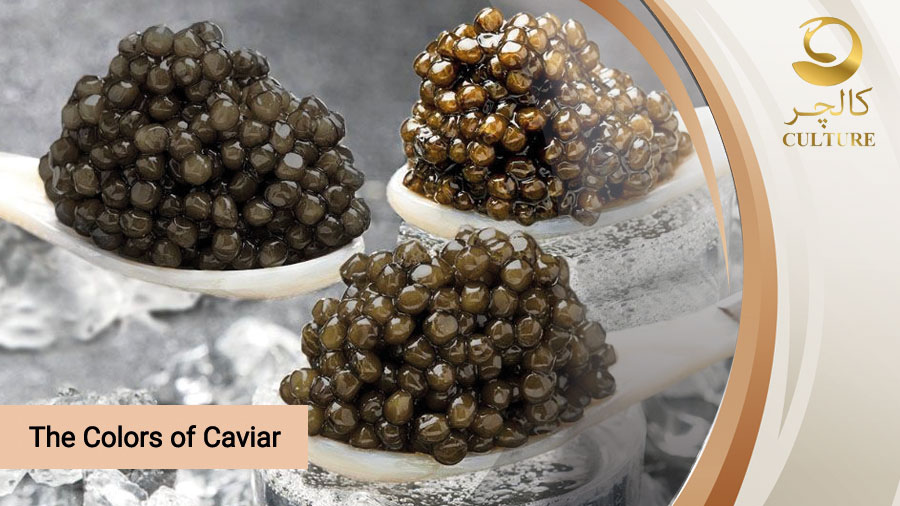
Caviar can range from deep black and dark grey to silver-grey, brown, amber, golden and, in some cases, very pale shades. But what do these colours actually mean? The colour of caviar is influenced by several factors, including the sturgeon species, genetics, age and maturity of the fish, natural pigmentation, diet and farming conditions. It can also vary between individual fish and batches of roe. Most importantly, caviar colour is not a simple quality scale. Golden caviar is not automatically better than dark caviar, and black caviar is not automatically more valuable than pale caviar. Colour is one characteristic to consider alongside species, grade, grain, texture, freshness and handling.
What Colour Is Caviar?
There is no single natural colour that all caviar should have. Authentic sturgeon caviar can appear in a broad range of shades. Depending on the roe, you may see:
- Black
- Dark grey
- Grey
- Silver-grey
- Brown
- Amber
- Golden
- Very pale or white
The exact shade can vary even within the same species. Two batches of caviar from the same type of sturgeon do not necessarily have exactly the same colour. This is why colour should be treated as part of the description of caviar rather than as a universal grading system. If you are learning about the different types of sturgeon roe, our guide to caviar types explains how species and product characteristics differ.
Why Does Caviar Come in Different Colours?
Caviar colour is mainly connected to the natural pigmentation of the eggs, but that pigmentation is affected by more than one factor.
Species and genetics
Different sturgeon species can produce roe with different typical colour ranges. Genetics also play a role, which means individual fish can produce eggs with shades that vary from what you might expect from the species as a whole. For this reason, colour can sometimes help describe a particular caviar, but it should not be used on its own to identify the species. For example, seeing grey or golden eggs does not give enough information to establish the exact sturgeon species. The species, product name and other information on the label should be considered together.
Age and maturity
The maturity of the fish can also influence the characteristics of its roe, including its appearance. Sturgeon take years to mature, and the roe develops as the fish matures. This means that age is one of the biological factors that can contribute to differences between batches. However, age should not be treated as a direct colour scale. Older fish do not simply produce “better” or lighter caviar.
Natural pigmentation
Caviar gets its colour naturally. The eggs contain pigments that can produce different shades, from very dark grey and black through to lighter grey, amber and golden tones. Natural variation is therefore expected. The colour of one batch should not be treated as a fixed template for every batch of the same species.
Diet and farming conditions
For farmed sturgeon, the fish’s diet and growing environment can also influence the characteristics of the roe. Farming conditions can differ between producers, and fish do not all respond in exactly the same way. Factors such as feeding and the conditions in which the sturgeon are raised can therefore contribute to variation in the final appearance of the eggs. This does not mean that a particular farming condition produces one guaranteed colour. Caviar colour results from several factors working together.
Individual fish and batch variation
Perhaps the simplest point to remember is that caviar is a natural product. Individual fish can differ, and the roe from one harvest may not look exactly the same as roe from another. Even when the species and production method are the same, some variation in shade can occur. This is one reason why product photographs should not be treated as an absolute colour standard.
What Does Black or Dark Grey Caviar Mean?
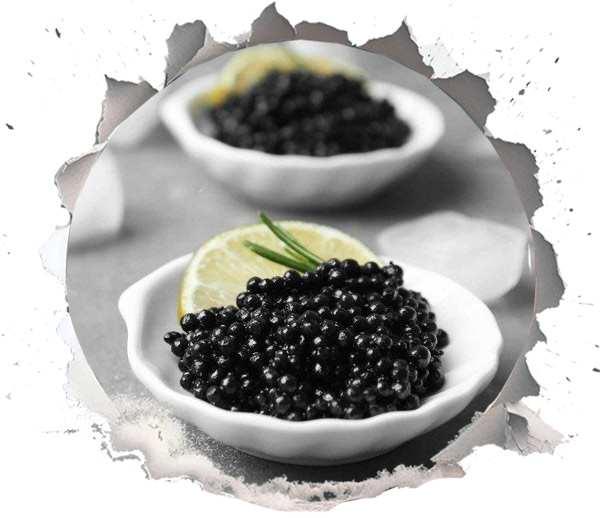
Black and very dark grey are among the colours most people associate with caviar. Dark caviar can occur naturally in sturgeon roe, but its dark appearance does not automatically tell you that it is a particular species or that it is of a higher grade. The colour may range from almost black to dark grey, depending on the roe. It is also worth remembering that black is a description of appearance, not a quality certificate. A dark colour alone cannot tell you whether the caviar is fresh, how it will taste or which grade it belongs to. When choosing between products, look beyond colour and consider the information provided for the specific caviar.
What Does Brown or Amber Caviar Mean?
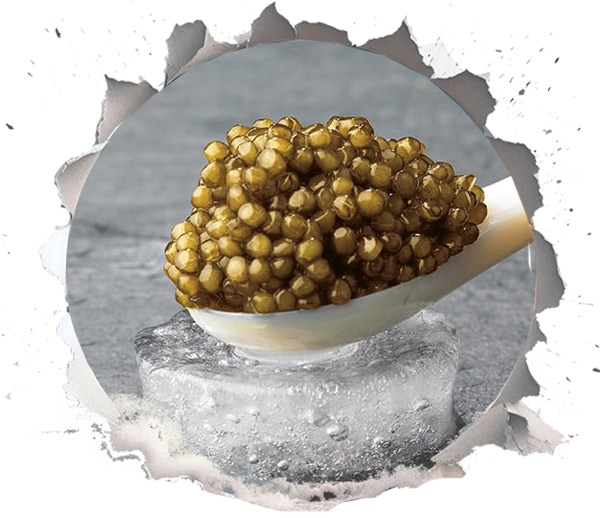
Caviar can also have brown, bronze or amber tones. These shades are particularly useful as examples of why there is no single “correct” caviar colour. Lighter brown and amber roe can be completely natural, and the shade may vary within a species and between individual batches. Amber-coloured caviar should not automatically be described as sweeter, richer or better simply because of its appearance. Colour and flavour are related to different characteristics of the roe, so one should not be used as a shortcut for the other. For a better understanding of flavour, texture and saltiness, see our dedicated guide to caviar taste.
What Does Golden Caviar Mean?
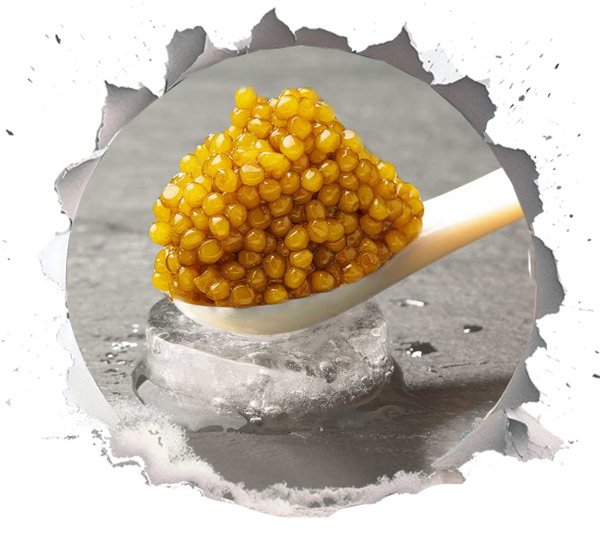
Golden caviar is often visually striking, which can make it tempting to assume that a golden colour means higher quality or greater value. That is not a reliable rule. Golden shades can occur naturally in certain caviar, and the intensity can vary from pale gold to deeper golden or amber tones. The colour can be influenced by the species, genetics, individual fish and other production factors. Golden does not automatically mean better. The same applies in the opposite direction: a darker caviar is not automatically inferior because it lacks a golden appearance.When a product has a particular grade or colour designation, that information should be understood in the context of the producer’s grading system rather than judged from colour alone.
What Does White or Very Pale Caviar Mean?
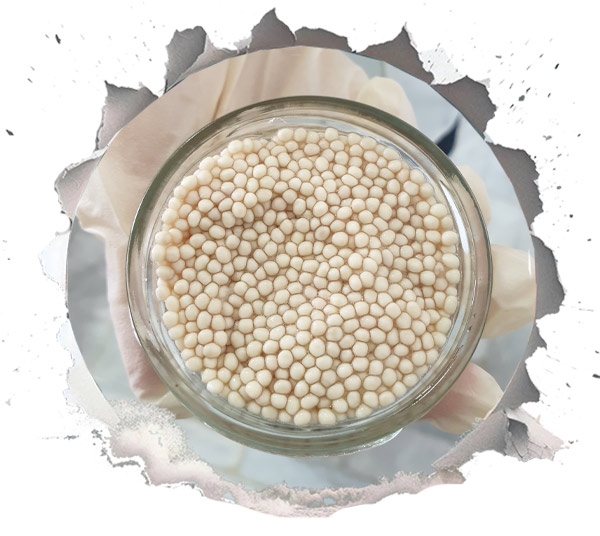
Very pale or white-looking caviar is less common and can attract particular attention. However, “white caviar” should not be treated as a general quality category for all sturgeon roe. Unusually pale colour can be connected to specific genetic or biological characteristics, and individual products need to be considered on their own terms. For example, Almas caviar is a specific product example and should not be used to suggest that all Beluga caviar has a white or pale colour. This distinction is important when reading online descriptions. A colour name can describe a particular product, but it does not necessarily define an entire species. But if you wonder if it’s rare, the answer is yes. The white Almas caviar is the most expensive caviar actually.
What Does Red Caviar Mean?
Although it is not technically true caviar, red caviar comes from fish such as salmon and trout. Its bright orange-to-red colour is very different from traditional sturgeon caviar, and it is often enjoyed because it is easy to find and has bold flavours. It is commonly used in sushi, as a garnish for appetisers, and in dips. It is much cheaper than sturgeon caviar, usually costing £30 to £150 per kilogram, so it is accessible to more people. It tends to have a fruity, briny taste, making it versatile in cooking, and its eggs are larger, about 4 to 8 millimetres across.
Does Lighter Caviar Mean Better Quality?
No. Colour alone does not determine caviar quality. This is one of the most important points when comparing different caviars. It is easy to assume that a lighter, brighter or more unusual colour must indicate a superior product. In reality, colour is only one visible characteristic. A more useful assessment considers several factors together, such as:
- Species and product identity
- Grade
- Grain size and appearance
- Texture and firmness
- Freshness
- Flavour
- Salt level
- Handling and processing
- Product information and traceability
The same principle applies to dark caviar. Very dark eggs are not automatically better simply because black is strongly associated with traditional images of caviar. In other words, colour can help you describe caviar, but it should not be used as a score.
How Does Colour Relate to Species and Grade?
Species and grade are important when interpreting caviar colour, but they should not be confused with colour itself. Different sturgeon types can have different typical colour ranges, while individual fish within the same species can still produce roe with variations in shade. Grade can also take colour into account, depending on the producer and grading system. However, grading is not simply a matter of choosing the lightest or darkest eggs.
This is why a statement such as “golden means premium” is too simple. For a buyer, the more useful approach is to start with the species and product, then look at the stated grade and other characteristics. For example, you can explore the range of Beluga caviar and Ossetra caviar rather than trying to identify a product based only on a photograph of its colour.
A simple way to read caviar colour
| Colour | What it may represent | What it does not prove |
|---|---|---|
| Black or dark grey | Natural pigmentation and variation in sturgeon roe | Higher quality or a specific grade |
| Grey or silver-grey | A natural colour range found in different caviar | A specific species by colour alone |
| Brown or amber | Natural pigmentation and variation | A particular flavour or quality level |
| Golden | Natural variation in the colour of certain roe; especially Shah caviar | That the caviar is automatically better |
| Very pale or white | A specific biological or genetic characteristic in some products | That it is automatically the highest grade |
The table is a guide to colour, not a universal grading chart. Actual colour ranges can overlap.
Does Caviar Colour Affect Taste?
Colour and taste should be considered separately. A particular caviar may have a distinctive colour as well as its own flavour and texture characteristics, but colour alone cannot tell you exactly how the roe will taste. This is especially important when comparing products online. A photograph can show the appearance of the eggs, but it cannot tell you whether the flavour will be delicate, savoury, nutty, briny or buttery.
How Should You Judge Caviar Beyond Colour?
Colour can be one of the first things you notice, but it should not be the final factor in your choice. Start by identifying the species and product. Then look at the stated grade and other available information. Grain size, texture, freshness, flavour and handling can all provide a much more complete picture. For shoppers interested in a particular colour, it is also useful to remember that natural variation means that the exact shade may not always look identical to a product photograph. The aim should not be to find the “best” colour. Instead, look for a caviar whose species, grade, characteristics and product information match what you are looking for.
Frequently Asked Questions About Caviar Colour
Caviar can naturally range from black and dark grey to grey, brown, amber, golden and very pale shades. The colour depends on several factors, including species, genetics, maturity and natural pigmentation.
No. Black and golden describe colour, not an automatic quality ranking. Caviar should be assessed using several characteristics, including species, grade, freshness, texture and flavour.
Golden colour can occur naturally in sturgeon roe. The shade may be influenced by species, genetics, individual fish and other biological or farming factors. Golden colour alone does not establish quality.
Very pale or white-looking caviar can occur in specific products or biological variations. However, white should not be treated as a universal colour category or as proof of superior quality.
Species is one factor that can influence colour, but it is not the only one. Genetics, maturity, natural pigmentation, diet, farming conditions and individual variation can also contribute to differences in colour.
Not in a way that allows flavour to be reliably predicted from colour alone. Colour and taste are different characteristics, so a particular shade should not be used as a shortcut for judging flavour.
Explore Caviar by Type
Caviar colour can tell you something about the appearance of the roe, but it is only one part of the picture. Species, grade, grain, texture, freshness and flavour all matter when choosing a caviar. To explore the different types available, visit our shop and browse our caviar collection.
The Best High Quality Caviar
Surprise Your Taste Buds!

Perfect 😍