Caviar Salting Techniques: Malossol vs Traditional

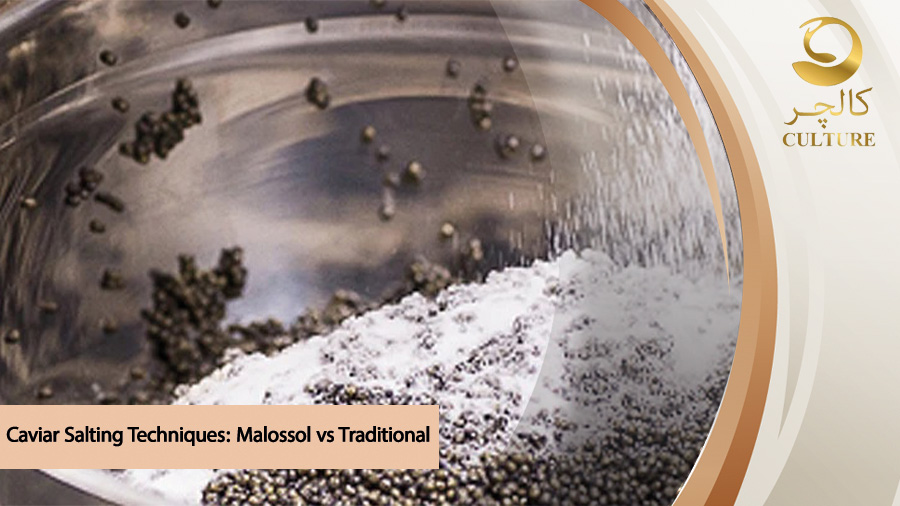
When it comes to fine caviar, very few factors are as influential as the way it is salted. While origin, species, and farming conditions all play their part, it is the salting process that ultimately defines how caviar tastes, feels, and ages. Understanding the difference between malossol and traditional caviar is therefore essential for anyone looking to appreciate or purchase this luxury delicacy with confidence. Let’s take a look at how these two popular salting techniques of caviar impact the quality, and which of them is better, malossol vs traditional.
What Is Malossol Caviar?
The term malossol comes from Russian, meaning “little salt”. In the modern caviar industry, it refers to roe that has been lightly salted, typically with a salt content of around 2.5% to 5%. This method is widely regarded as the gold standard in premium caviar production.
Malossol caviar is valued because it allows the natural character of the roe to shine through. Instead of overwhelming the palate with salt, it highlights the subtle flavours that make each type of caviar unique. Notes such as buttery richness, gentle nuttiness, and a clean marine freshness are all preserved in a way that heavier salting would mask.
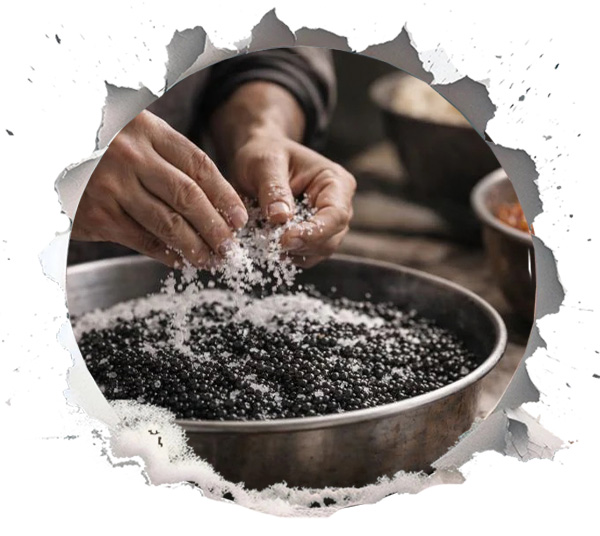
Luxury brands and high-end producers like Culture Caviar strongly favour the malossol method for this reason. It reflects confidence in the quality of the raw product. When the roe is fresh, well-handled, and of excellent origin, there is no need to rely on excessive salt for preservation or flavour enhancement. The result is a product that feels refined, balanced, and true to its source. This method is even more important for the producers who offer the best caviar in the world, like Almas caviar.
Texture is another area where malossol caviar excels. The eggs remain soft yet structured, offering the delicate “pop” that connoisseurs look for. Each grain separates easily and glistens, creating both a visual and sensory experience that signals premium quality.
Traditional Salting Methods
Before modern refrigeration and rapid transport, caviar faced a practical challenge: how to remain edible over long distances and extended periods. Traditional salting methods emerged as a solution to this problem.
In these older techniques, salt levels were significantly higher, often reaching 6% to 10% or more. This heavier salting helped preserve the roe by reducing moisture and slowing bacterial growth. It made caviar more stable and easier to export, especially during times when temperature control was limited or unreliable.
While effective for preservation, this method came with trade-offs. The higher salt content tends to dominate the flavour, reducing the complexity that makes caviar so special. Instead of experiencing the distinct profile of a particular sturgeon species, the taste becomes more uniform and noticeably saltier.
The texture also changes under traditional salting. The roe can become firmer, sometimes even slightly rubbery, as the salt draws out moisture and tightens the membrane. In some cases, the structure of the roe may be compromised, leading to a less refined mouthfeel.
Today, traditional salting is less common in the premium segment of the market. However, it still appears in lower-grade products or in contexts where longer shelf life is prioritised over flavour precision.
How Salt Level Affects Taste and Texture
The difference between malossol vs traditional caviar becomes especially clear when you consider how salt interacts with the roe itself. At a basic level, salt works through osmosis, drawing water out of the eggs and altering their structure.
With lower salt levels, as seen in malossol caviar, the eggs retain more of their natural moisture. This results in a softer, creamier texture that feels smooth on the palate. The flavour remains clean and well-defined, allowing subtle notes to develop gradually as you taste.
In contrast, higher salt concentrations lead to a firmer texture. The roe loses more moisture and becomes tighter, which can reduce the pleasant “bursting” sensation that high-quality caviar is known for. The flavour also becomes more direct and intense, with salt taking centre stage rather than supporting the natural characteristics of the roe.
Another important aspect is flavour clarity. In malossol caviar, the balance is carefully controlled so that salt enhances rather than dominates. You can detect layers of taste, from initial freshness to lingering buttery or nutty tones. With traditional salting, these layers are often flattened, resulting in a simpler, more one-dimensional profile.
It is also worth noting that salting does not work in isolation. Factors such as farming conditions and handling play a crucial role, particularly the water quality influence on caviar taste. Clean, well-managed water leads to stronger roe, which responds better to delicate salting techniques like malossol.
Shelf Life vs Flavour: The Trade-Off
One of the key distinctions in the discussion of malossol vs traditional caviar lies in the balance between shelf life and flavour. These two factors are closely linked, and improving one often means compromising the other.
Malossol caviar, with its lower salt content, has a shorter shelf life. It requires careful handling, consistent refrigeration, and efficient distribution to maintain its quality. Once opened, it is best consumed within a relatively short time to fully enjoy its freshness and delicate taste.
However, this shorter shelf life is precisely what allows malossol caviar to deliver its superior flavour. By avoiding heavy salting, producers preserve the natural integrity of the roe. The result is a product that feels fresh, vibrant, and true to its origin.
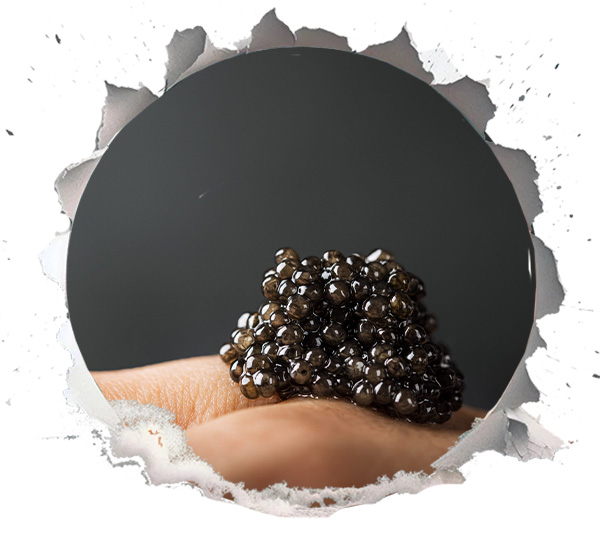
Traditional caviar, on the other hand, benefits from extended shelf life due to its higher salt content. It is more stable and less sensitive to storage conditions, which historically made it more practical for trade and transport. Yet this durability comes at the cost of flavour complexity and texture quality.
In modern times, advances in refrigeration and logistics have reduced the need for heavy salting. This has allowed the industry to shift towards malossol as the preferred method for high-end caviar. At the same time, some large-scale or industrial producers may still lean towards higher salt levels to maximise shelf stability and reduce risk.
This contrast reflects a broader divide between artisanal and industrial approaches. Artisanal producers tend to prioritise taste, craftsmanship, and authenticity, while industrial methods often focus on efficiency, consistency, and longevity.
Which One Should You Choose?
Choosing between malossol and traditional caviar ultimately depends on your preferences, experience level, and intended use.
If you are seeking a true luxury experience, malossol caviar is the clear choice. Its refined flavour, delicate texture, and balanced salinity make it ideal for enjoying on its own or with simple accompaniments such as blinis or crème fraîche. It is particularly well-suited for special occasions or for those who want to explore the full depth of what caviar can offer.
For those new to caviar, malossol also provides a more accessible starting point. Its subtlety allows you to appreciate the nuances without being overwhelmed by saltiness.
Traditional caviar may still have a place in certain contexts. Its stronger flavour and longer shelf life can make it more practical for specific culinary uses or for situations where storage conditions are less controlled. However, it is generally not the first choice for those looking to experience caviar at its finest.
In the end, the comparison of malossol vs traditional caviar highlights an important principle: quality in caviar is closely tied to restraint. The less the natural product is altered, the more it can express its true character.
Final Thoughts
Salting is far more than a technical step in how caviar is made. It is a defining factor that shapes every aspect of the final product, from taste and texture to shelf life and overall quality. Malossol caviar represents a modern standard of excellence, where minimal intervention allows the natural beauty of the roe to shine. Traditional salting, while historically important, reflects a time when preservation was the primary concern.
Today, with advanced techniques and global distribution, producers can focus on achieving the perfect balance. For consumers, understanding this balance makes it easier to choose caviar that matches their expectations and enhances their dining experience. Whether you are a seasoned enthusiast or just beginning your journey, recognising the impact of salting techniques will deepen your appreciation of this remarkable delicacy. At Culture Caviar, we use the malossol method to make sure you enjoy each and every bite. You can also take a look at Culture Caviar’s processing for more clarity.
FAQ
Yes, although it contains less salt, malossol caviar can still taste well-seasoned because the salt is carefully balanced to enhance the roe’s natural flavour rather than dominate it.
An overly fishy taste is often a sign of lower quality, poor handling, or ageing. High-quality malossol caviar should taste fresh and clean, not strongly fishy.
In rare cases, traditional methods may be used for specific regional styles, but in today’s market, premium caviar is almost always associated with low-salt (malossol) processing.
Yes, malossol caviar usually appears more glossy and well-separated, while heavily salted caviar can look slightly duller or more compact.
Not effectively. Rinsing or altering it would damage the eggs and ruin the texture, so it is best served as it is.
It requires fresher roe, more precise handling, and stricter storage conditions, all of which increase production and logistics costs.
If the first taste is sharply salty and masks any subtle flavour, it likely has a higher salt content typical of traditional caviar.