Why Some People Hate Caviar & How to Change Their Mind?

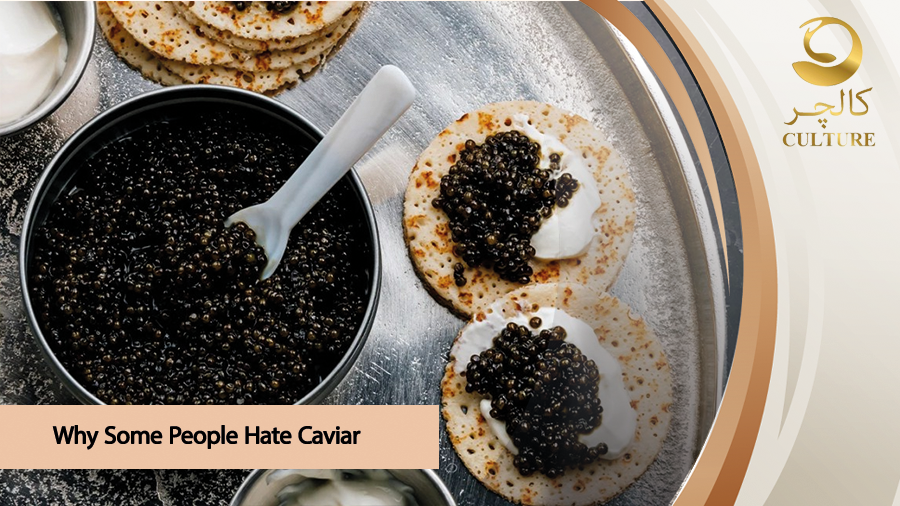
Caviar is often seen as one of the world’s most luxurious foods. It appears in fine dining restaurants, private events, luxury hotels, and high-end tasting menus. Yet despite its reputation, not everyone enjoys it. In fact, many people try caviar once and decide immediately that it is not for them. Some dislike the salty flavour, while others struggle with the texture. For certain people, the idea of eating fish roe simply feels unusual. This reaction is more common than many think, and it helps explain why people hate caviar even when it is considered a premium delicacy.
The good news is that taste can change. Many people who once disliked caviar later learn to enjoy it after trying better-quality varieties, proper pairings, or more balanced serving methods. In many cases, the problem is not caviar itself but the way it is first introduced. Understanding why people hate caviar requires looking at flavour science, psychology, texture, and dining culture. Once these factors become clear, it becomes much easier to understand how opinions about caviar can completely change over time.
The Science of Taste: Why Caviar Feels “Too Much”
One of the main reasons why people hate caviar is that the flavour can feel intense during the first tasting. Caviar combines several strong taste elements at once, especially saltiness, umami, and marine flavours. For people who are not used to these flavours, the experience can feel overwhelming. Salt plays a major role in caviar production because it helps preserve the roe and shape its flavour. However, even high-quality caviar can taste very salty to beginners. Some people naturally have a stronger sensitivity to salt, which means they may react more strongly during their first experience.
Umami is another important factor. Often called the “savory” taste, umami creates richness and depth in foods such as mushrooms, aged cheese, soy sauce, and seafood. Caviar contains a high level of natural umami, which gives it complexity but can also surprise people who are expecting something lighter or fresher. The ocean-like flavour also affects first impressions. Certain varieties carry a stronger marine taste that reminds people of seaweed, oysters, or fresh fish. For seafood lovers, this can be enjoyable. For others, it may feel unfamiliar or too powerful.
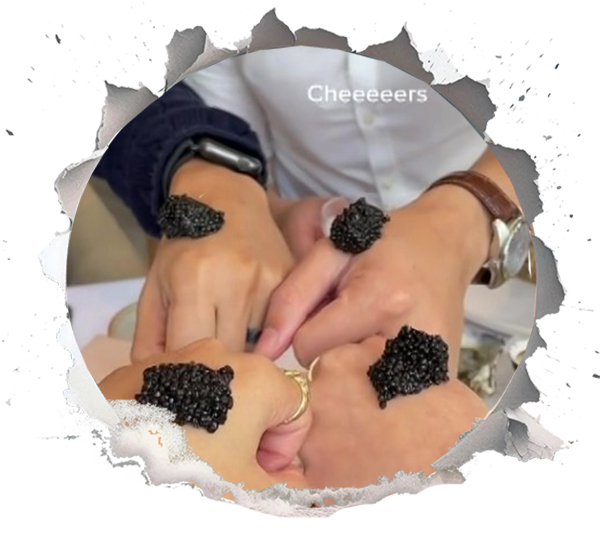
Taste preferences are also influenced by culture and upbringing. People who regularly eat seafood, cured fish, or fermented foods may accept caviar more easily than those who rarely encounter these flavours. This is one reason why reactions to caviar differ so much between individuals. There are also many misconceptions around caviar that influence expectations before people even try it. Some expect it to taste extremely fishy, while others imagine it as an impossible luxury food meant only for elite dining rooms. These kinds of caviar myths can create unnecessary hesitation before the tasting even begins.
Texture Shock: The “Pop” Factor
Texture is one of the biggest psychological barriers when it comes to caviar. Even people who enjoy the flavour sometimes struggle with the sensation of the eggs bursting in the mouth. This “pop” effect is highly distinctive and unlike most everyday foods. Human reactions to texture are deeply emotional and psychological. Some people naturally enjoy creamy, crunchy, or smooth textures, while others are more sensitive to unusual sensations. Because caviar combines softness with sudden bursts of liquid, it can feel unexpected during the first bite.
This texture shock often explains why people hate caviar more than the flavour itself. The brain quickly notices unfamiliar food sensations, especially when they involve delicate or slippery textures. For beginners, this can create discomfort before they even have time to appreciate the taste. Presentation also influences perception. Seeing loose fish eggs served alone on a spoon may feel intimidating to first-time tasters. However, when caviar is served with warm blinis, buttered toast, or soft eggs, the texture becomes easier to enjoy because it blends more naturally with familiar foods.
The emotional side of eating should not be underestimated. Food experiences are strongly connected to memory, comfort, and expectation. If someone feels nervous or pressured while tasting caviar for the first time, they are more likely to focus on what feels strange instead of what feels enjoyable.
Bad First Experiences
A poor first introduction is another major reason why people hate caviar. Unfortunately, many first tastings happen under less-than-ideal conditions. Low-quality caviar is one of the most common problems. Cheap or poorly stored roe can taste overly salty, metallic, bitter, or unpleasantly fishy. If this becomes someone’s first experience, it can create a long-lasting negative opinion about caviar in general. Serving methods also matter greatly. Caviar should be chilled properly and served in balanced portions. When it is eaten in large amounts on its own, especially by beginners, the flavour can become overpowering very quickly.
Some people first encounter caviar at crowded events or luxury parties where presentation matters more than taste education. In these situations, guests may feel social pressure to enjoy it even if they are uncertain about the flavour. This often creates uncomfortable experiences that shape future opinions. Another mistake is pairing caviar incorrectly. Strong alcohol, heavy sauces, or overly acidic ingredients can damage the balance of the roe. A beginner who experiences caviar in the wrong setting may never understand how refined and delicate good-quality caviar can actually taste. Timing matters as well. People are often more open to trying unfamiliar foods when they are relaxed and curious rather than rushed or distracted. A calm dining atmosphere can completely change how someone reacts to caviar.
How to Introduce Caviar Properly
The best way to change someone’s mind about caviar is through a gentle and balanced introduction. Small portions work much better than large servings because they allow beginners to focus on flavour without becoming overwhelmed. Pairing is extremely important. Mild foods such as blinis, buttered brioche, soft-boiled eggs, crème fraîche, or warm potatoes help soften the intensity of the roe. These pairings create balance and make the experience feel more approachable.
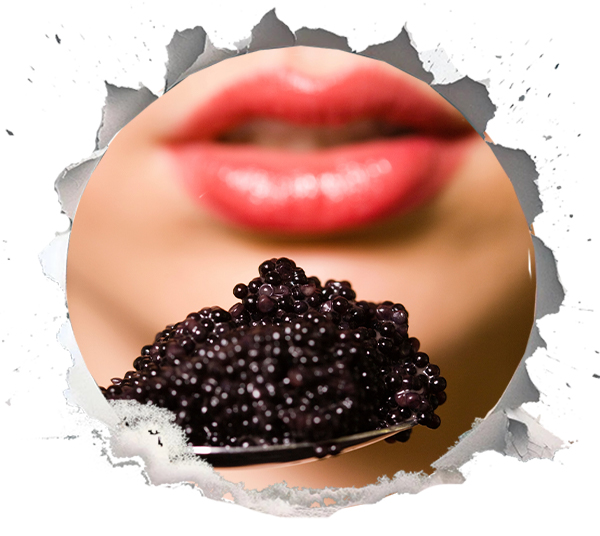
Temperature also affects taste. Properly chilled caviar feels fresher and cleaner on the palate. Warm caviar can develop stronger flavours that may feel too intense for beginners. Drinks matter too. Champagne is a classic pairing because its freshness and acidity balance the richness of the roe. Some people also prefer vodka, sparkling water, or crisp white wine for a smoother first experience.
Context can make a surprising difference. Enjoying caviar in a calm environment at home often feels more comfortable than tasting it in a formal luxury setting. The growing popularity of home fine dining has encouraged many people to experiment with caviar in more relaxed and personal ways. Breakfast and brunch pairings are also becoming more popular because they introduce caviar through familiar comfort foods. Soft eggs, toast, pancakes, and creamy textures naturally balance the roe. This is one reason why modern caviar breakfasts are attracting new audiences who may have once avoided caviar completely.
Best Beginner-Friendly Caviar Types
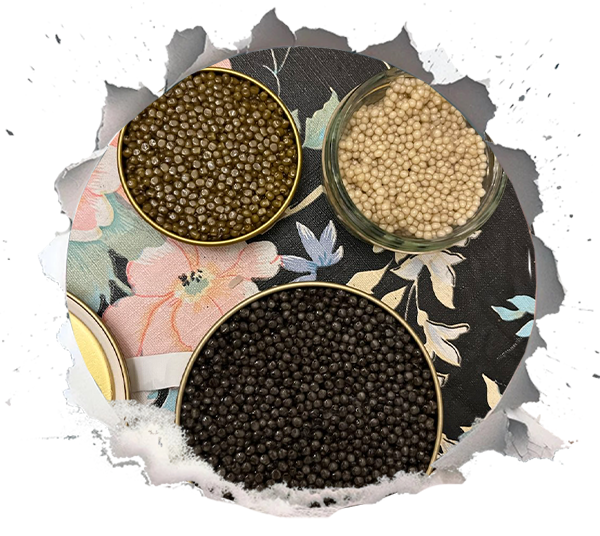
Not all caviar tastes the same. Some varieties are far more suitable for beginners because they have milder and creamier flavour profiles. Ossetra caviar is often considered one of the best entry points because it offers a balanced flavour with nutty and buttery notes rather than strong fishiness. It feels refined without becoming overwhelming.
White Sturgeon caviar or Almas caviar is another beginner-friendly option. It tends to be smooth, creamy, and less salty than some traditional varieties, making it easier for first-time tasters to enjoy. Kaluga caviar has also become increasingly popular because of its rich but gentle flavour. Many people appreciate its clean finish and soft texture, especially when paired with simple foods.
Starting with smaller pearls and lighter salinity levels can also help reduce texture shock and flavour intensity. Over time, many people develop a stronger appreciation for deeper and more complex varieties. In the end, understanding why people hate caviar often comes down to experience, expectation, and introduction. Taste is highly personal, and first impressions matter greatly. With the right quality, proper pairings, and a more relaxed approach, many people discover that caviar is far more enjoyable than they first imagined.