How to Read a Caviar Label Like an Expert

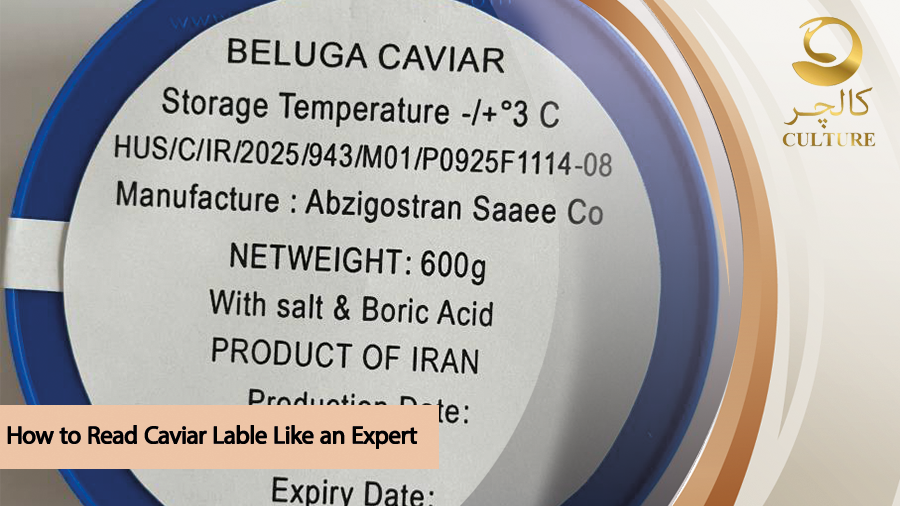
Buying caviar is not simply about choosing a luxury food item; it is about understanding quality, authenticity, and craftsmanship. For many people, the label on a caviar tin can seem confusing at first glance. Yet for those who know what to look for, it provides valuable information about the product inside. Learning how to read caviar label details correctly can help buyers make informed decisions and avoid low-quality or misleading products.
A well-designed caviar label tells a story. It reveals the species of sturgeon, the country of origin, the farming method, the grade, and even the freshness of the roe. It may also include traceability codes and certifications that protect consumers from fraud. In a market where premium caviar commands high prices, these details matter greatly. If you want to choose caviar like a professional, understanding the label is one of the most useful skills you can develop. Once you know what each element means, you will be able to judge the product with confidence and appreciate the expertise behind it.
Species Name (The Most Important Factor): Beluga, Ossetra, Baerii
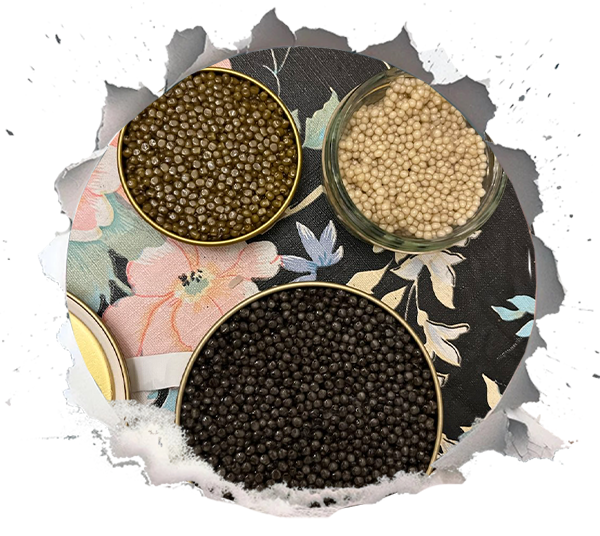
The first and most important part of any caviar label is the species name. This is the strongest indicator of flavour, texture, and market value. True caviar comes only from sturgeon, and the species listed on the tin defines the experience you can expect. Beluga is widely recognised as one of the finest varieties in the world. It is known for its large, delicate pearls and creamy, buttery taste. On a label, it may appear as Huso huso, its scientific name. Because of its rarity and prestige, Beluga is often associated with the most expensive caviar in the luxury food market.
Ossetra, also written as Osetra or Oscietra, is another highly prized type. It usually comes from Acipenser gueldenstaedtii and is appreciated for its nutty flavour and medium to large grains. Ossetra often offers a balance between exclusivity and versatility, making it a favourite among chefs and caviar lovers alike. Baerii, from Acipenser baerii, is often seen as a more accessible choice without compromising quality. It tends to have smaller pearls and a smooth, balanced taste. While it may be more affordable than Beluga or Ossetra, it still holds strong appeal in the premium market.
When learning how to read caviar label information, always start with the species. A trustworthy producer will clearly state both the common and scientific names. If the label is vague or only uses general terms like “black caviar”, this should raise questions about transparency.
Origin and Farming Method: (Country + Farm vs Wild)
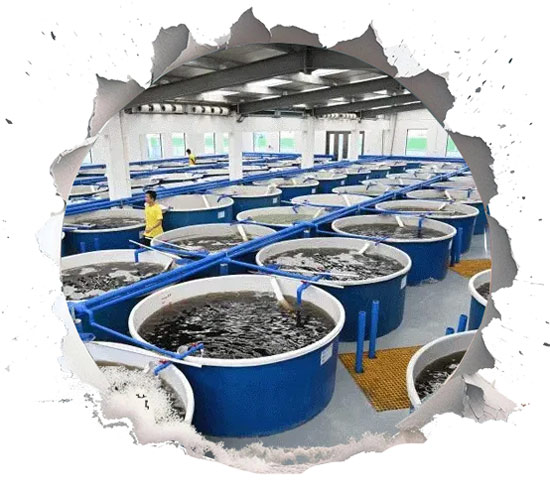
The next key detail is the origin of the caviar. Country of origin is more than just a location; it reflects tradition, environment, and production standards. Regions such as Iran, China, Italy, and France are among the most recognised in the global caviar trade. Iran, for example, has a long and respected history in caviar production, closely tied to the Caspian Sea. Products from this region are often linked with heritage and craftsmanship. European producers, on the other hand, are known for strict regulations and advanced aquaculture systems.
Equally important is whether the caviar is farmed or wild. Today, the vast majority of premium caviar comes from sustainable farms. This shift has taken place because wild sturgeon populations have declined significantly, making responsible aquaculture essential for the future of the industry. Farmed caviar does not mean lower quality. In fact, many of the finest products available today are cultivated under highly controlled conditions. These farms monitor water quality, feeding, and fish welfare to ensure consistent results. Such practices often produce roe with remarkable texture and flavour.
Wild caviar, while historically prestigious, is now rare and heavily restricted. If you see claims of wild-caught sturgeon roe, they should be backed by clear documentation. This is especially relevant when dealing with premium products or seeking the rarest caviar available on the market.
Understanding the origin and farming method is essential when considering how to read caviar label details like an expert. It helps you evaluate not only quality, but also sustainability and ethical sourcing.
Grade and Selection Terms Explained: (Imperial, Selection, Classic)
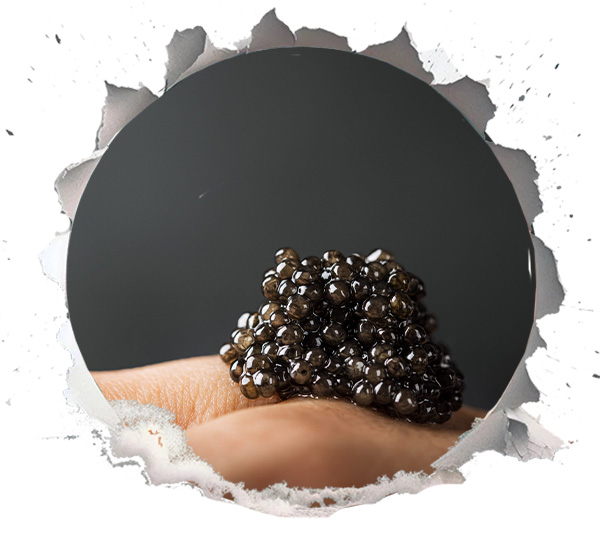
Many caviar labels feature terms such as Imperial, Selection, Classic, or Royal. These words are designed to communicate quality, but they can sometimes be misunderstood. Unlike wine classifications or official food standards, many of these terms are not universally regulated. Instead, they are often created by individual brands to describe their own grading systems. This means the same word may have slightly different meanings depending on the producer.
Imperial usually suggests a top-tier product. It often refers to larger pearls, lighter colours, and refined taste profiles. Such caviar is typically chosen for its elegance and premium presentation. Selection often indicates a carefully chosen batch with standout characteristics. This may involve consistency in grain size, freshness, or flavour balance. It can represent a step above standard offerings.
Classic is generally used for traditional, dependable caviar that delivers the expected flavour and texture of its species. It may not carry the exclusivity of Imperial, but it often provides excellent quality and value. When reading these terms, it is important not to rely on them alone. Instead, compare them alongside species, origin, and production details. This is the best approach for anyone serious about mastering how to read caviar label information. If you are new to the subject, consulting a trusted caviar glossary can also help you understand how different producers define these terms.
Production & Expiry Dates: (Freshness Indicators)
Freshness is one of the most important elements in caviar quality, and the dates on the label provide essential clues. Unlike some preserved foods, caviar is highly sensitive and should be enjoyed within its intended shelf life. The production date tells you when the roe was processed and packed. This is valuable because caviar is at its best when consumed relatively soon after preparation. While properly stored tins can last several months, fresher batches usually deliver a brighter, cleaner flavour.
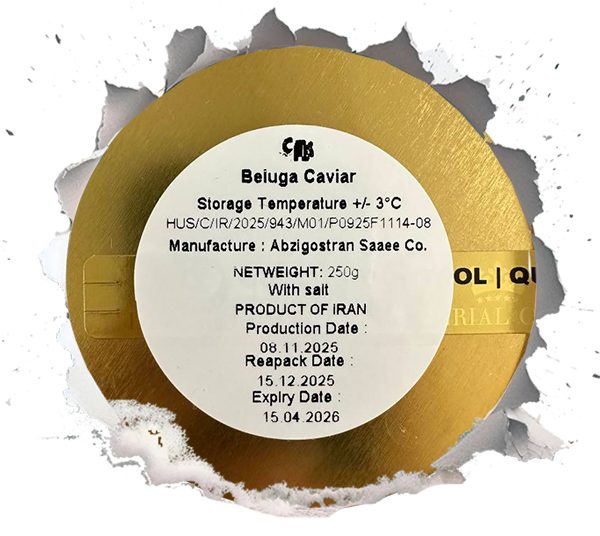
The expiry date indicates the final recommended consumption period. Premium caviar should always be kept chilled, ideally between -1°C and 2°C. If the cold chain is broken, quality can decline rapidly. Experts often look for products with clear and visible dates. Missing or unclear freshness information is a warning sign. A reputable producer understands that consumers need confidence in the product’s condition. When considering how to read caviar label details, the dates help you judge not only freshness but also the professionalism of the supplier. Transparent dating practices are part of a high-standard approach to luxury food.
Certifications and Traceability Codes: (Anti-fraud Systems)
In the premium caviar market, fraud prevention is a serious issue. This is why certifications and traceability codes are so important. One of the most significant systems is the CITES code. This international standard ensures that caviar has been sourced legally and responsibly. The code usually includes information about the species, country of origin, harvest year, and processing plant. For example, a label may include a structured code that identifies the exact batch and confirms compliance with international wildlife trade regulations. This allows authorities and buyers to trace the product throughout the supply chain.
These systems are especially important because caviar is frequently imitated or mislabelled. A proper traceability code acts as a safeguard for both authenticity and legality. Additional certifications may include food safety standards, organic claims, or quality assurance seals. While these vary between producers, they provide further evidence of responsible handling and professional production methods. For anyone interested in how to read caviar label information at an expert level, these codes are among the strongest indicators of trustworthiness. They show that the producer values transparency and follows recognised industry standards.
Final Thoughts
Understanding caviar labels transforms the buying experience. Instead of relying on branding alone, you can evaluate the product based on facts that truly matter. Species, origin, farming method, grade, freshness, and traceability all work together to reveal the quality behind the tin. Learning how to read caviar label information is not just useful for experts; it is valuable for anyone who wants to enjoy caviar with confidence. The label is your guide to authenticity, craftsmanship, and excellence. In the world of luxury foods, knowledge is part of the experience. And when it comes to caviar, reading the label like an expert is the first step towards appreciating one of gastronomy’s finest treasures.
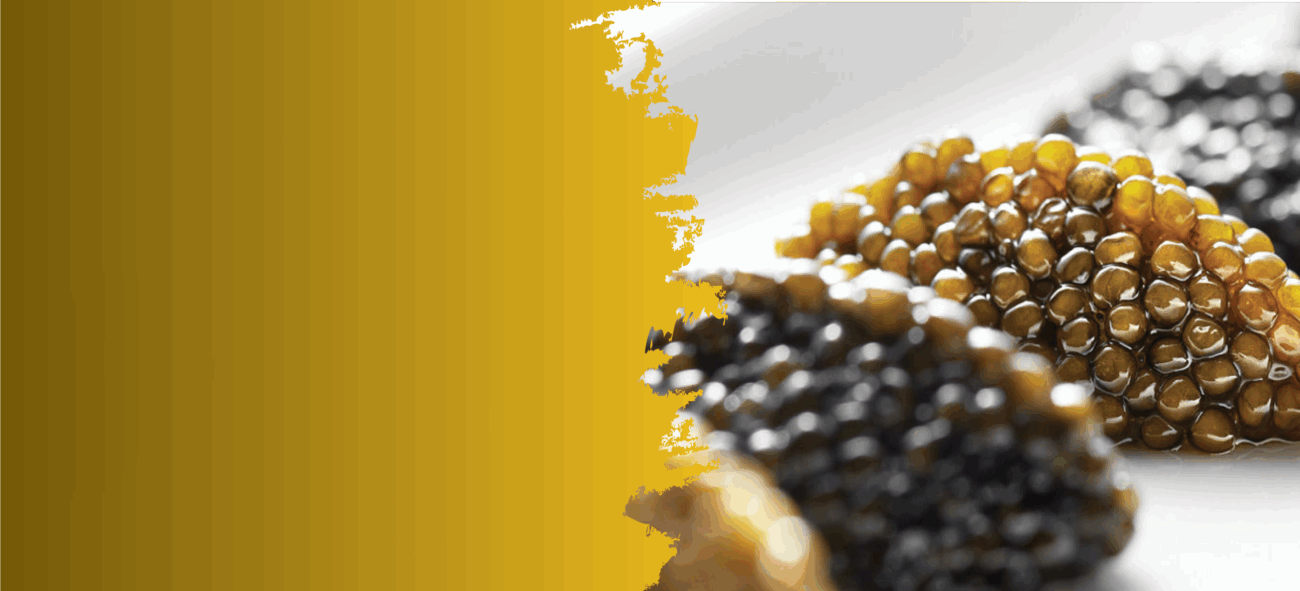
The Best High Quality Caviar
Surprise Your Taste Buds!
FAQ
Not necessarily. Colour can vary depending on the sturgeon species, age of the fish, and processing method. While lighter shades are sometimes linked with premium selections, darker tones can be equally high in quality.
Not all producers use the term on their labels, even if the product is lightly salted. In some cases, the salt level is reflected in product specifications rather than displayed prominently on the packaging.
Yes. Factors such as the fish’s diet, water conditions, maturity, and curing process can create noticeable differences in flavour, even within the same species.
Larger pearls are often associated with prestige, but size does not automatically mean superior taste. Many connoisseurs value balance, texture, and flavour complexity over grain size alone.
Freezing is generally not recommended, as it can damage the texture of the roe. Proper refrigeration at the correct temperature is the best way to preserve quality.
In most cases, no. These terms are usually brand-specific and should be considered alongside factual details such as species, origin, and certifications.