Why Do Some Sturgeon Species Mature Faster Than Others?

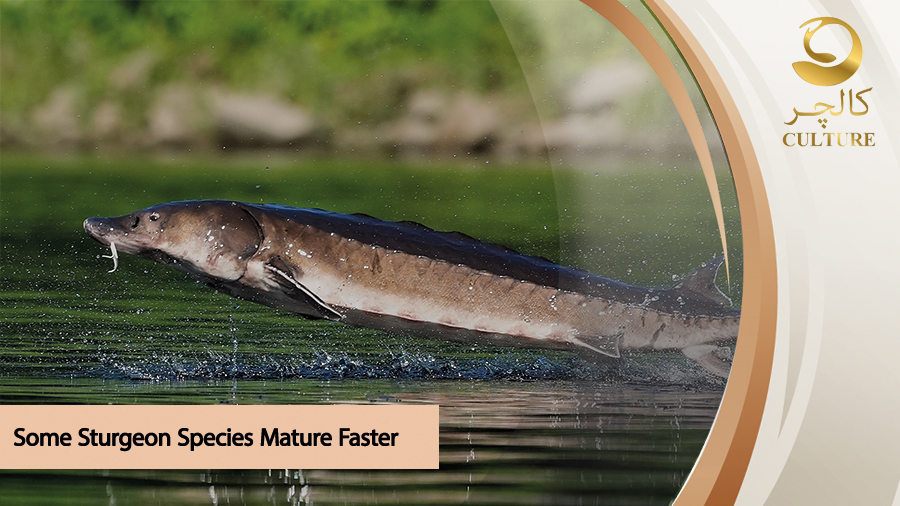
Ask anyone who’s compared a tin of Beluga to a tin of Baerii why one costs so much more than the other, and the honest answer has very little to do with marketing. It comes down to something far more basic: time. Some sturgeon species take decades to produce a single batch of roe. Others are ready in under a decade. Understanding why that gap exists tells you almost everything you need to know about why caviar is priced the way it is.
What Does “Maturity” Mean in Sturgeon?
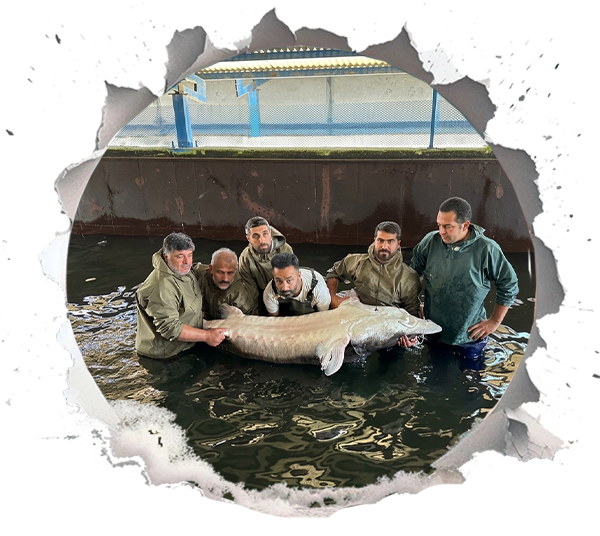
In sturgeon, maturity isn’t about size or age in the way it might be for most fish; it specifically means the point at which a female begins producing viable eggs (roe) that can be harvested for caviar. Male sturgeon reach reproductive readiness somewhat earlier, but since caviar comes exclusively from female roe, it’s female maturity that actually determines when a fish becomes commercially useful. This is a slow, gradual biological process. A female sturgeon’s ovaries develop over years, not months, building up the egg mass gradually as the fish grows. Farms typically confirm maturity through non-invasive ultrasound checks rather than guesswork, since harvesting too early yields underdeveloped, poor-quality roe, and waiting is the only way to get it right. This is also why sturgeon farming is such a patient, capital-intensive business; a producer can be feeding and caring for a fish for well over a decade before it generates any return at all.
Why Do Different Sturgeon Mature at Different Ages?
If maturity were purely a function of size, you’d expect every large sturgeon species to mature at roughly the same age. They don’t; and the reasons come down to a combination of genetics, body size, evolutionary history and habitat.
Genetics
Maturation speed is written into each species’ genome. Some sturgeon lineages evolved reproductive strategies built around producing fewer, higher-investment offspring later in life; others evolved to reproduce sooner and more frequently. This genetic clock doesn’t change much even under ideal farming conditions; a species that’s naturally slow to mature will still mature slower than one that isn’t, even in the same tank.
Body Size
Larger sturgeon species generally take longer to reach reproductive maturity, since more of the fish’s early energy goes into structural growth before egg development can take priority. This is a big part of why the Beluga sturgeon, the largest of all sturgeon species, is also the slowest to mature.
Evolutionary History
Sturgeon are often called “living fossils” for good reason: the lineage predates the dinosaurs, and different sturgeon species branched off from common ancestors at different points, evolving in different rivers, seas and climates. Species that evolved in colder, harsher environments with less certainty about seasonal spawning conditions tended to evolve slower, more conservative reproductive timelines as a survival strategy.
Habitat
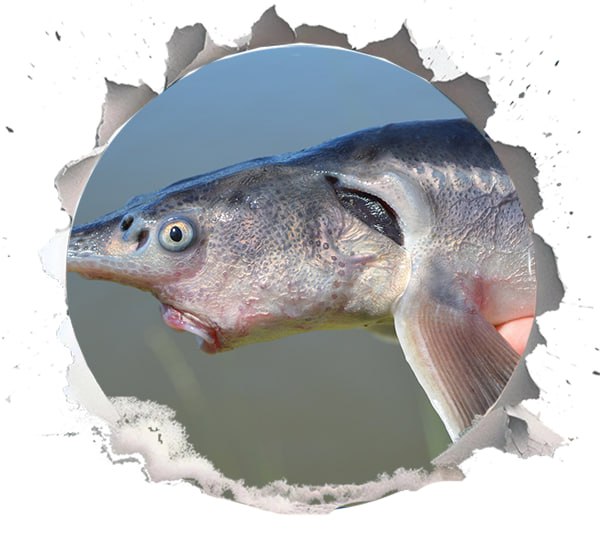
Water temperature plays a genuinely significant role. Sturgeon in warmer, more stable freshwater environments, like farmed Siberian sturgeon raised in temperature-controlled aquaculture, tend to mature faster than their wild counterparts in colder, more variable sturgeon habitat, simply because metabolism and growth rate both speed up in warmer water. This is one of the main levers modern sturgeon farming actually has some control over.
Average Maturity of Popular Sturgeon Species
Maturation age varies considerably even among farmed sturgeon, and the ranges below reflect typical aquaculture conditions rather than wild populations, which generally mature even more slowly.
| Species | Common Caviar Name | Typical Age to Maturity | Notes |
|---|---|---|---|
| Huso huso | Beluga | 15–25 years | Slowest-maturing species commonly farmed for caviar |
| Huso dauricus | Kaluga | 15–20 years | Close relative of Beluga; similarly slow on its own |
| Acipenser gueldenstaedtii | Ossetra / Russian sturgeon | 8–13 years | One of the more balanced species, moderate weight, classic flavour |
| Acipenser stellatus | Sevruga | 7–10 years | Faster-maturing than Ossetra, smaller grain as a trade-off |
| Acipenser baerii | Baerii / Siberian sturgeon | 6–8 years (farmed) | Among the fastest-maturing sturgeon in commercial aquaculture |
| Amur x Kaluga cross | Hybrid | Faster than either parent species | Bred specifically to combine Kaluga’s grain size with quicker maturation |
Beluga’s 15-to-25-year window is the extreme end of the spectrum, and it’s exactly why Beluga has commanded premium prices for centuries, long before modern branding had anything to do with it.
How Does This Affect Caviar Prices?
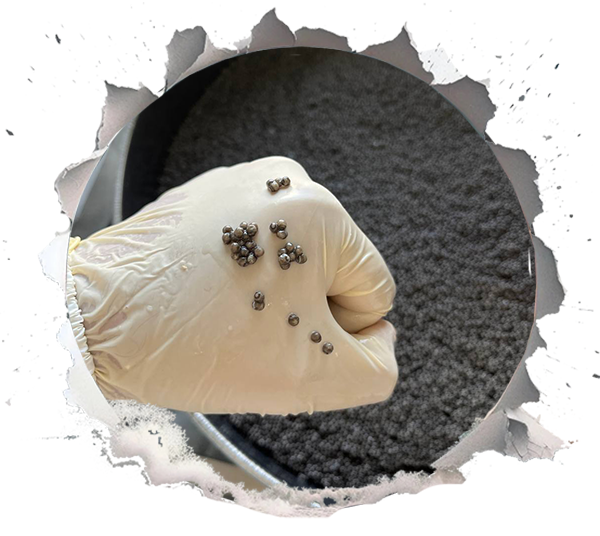
Maturation time is, in a very direct sense, priced into every tin of caviar you buy. A farm raising Baerii sturgeon sees a return on its investment in 6 to 8 years. A farm raising Beluga sturgeon might wait two to three times that long for the same fish to produce a single harvest, and that fish still needs feeding, monitoring and maintaining the entire time, with zero revenue until the roe is ready.
That extended holding period ties up capital, space and labour for far longer, and the cost of that patience gets reflected in the final price. It’s the single biggest reason Beluga Caviar sits at the top of most price lists, while faster-maturing species like Sevruga or Baerii are positioned as more accessible entry points into premium caviar. When you compare Ossetra Caviar against Baerii caviar on price alone, you’re largely looking at the difference in how long each species’ sturgeon needed to be farmed before harvest.
Does Faster Maturity Mean Lower Quality?
Not necessarily, and this is worth being clear about, because it’s easy to assume “faster” automatically means “lesser.” Baerii caviar, for example, is a genuinely excellent, well-regarded caviar in its own right, not a compromise. It has a distinct briny, mineral-forward flavour and a smaller grain than Beluga, and plenty of people prefer it specifically for that character rather than as a cheaper substitute.
What faster maturity does typically affect is grain size and, to some extent, the richness of flavour that comes with a larger, older egg. Sevruga, Sevruga Caviar‘s namesake species, matures faster than Ossetra and produces a smaller, more intensely flavoured grain as a result, different, not worse. The honest way to think about it is that maturation speed shapes character, while quality within any given species still comes down to careful farming, correct harvest timing and skilled grading, regardless of how long that species takes to get there.
Why Hybrid Sturgeon Changed Modern Caviar Farming
This is where the maturity question gets genuinely interesting from a farming perspective. For decades, the caviar industry faced an awkward trade-off: the species with the biggest, richest grain (Beluga and Kaluga) were also the slowest to mature, making them expensive and slow to scale, while faster-maturing species (like Baerii or Sevruga) came with a smaller grain.
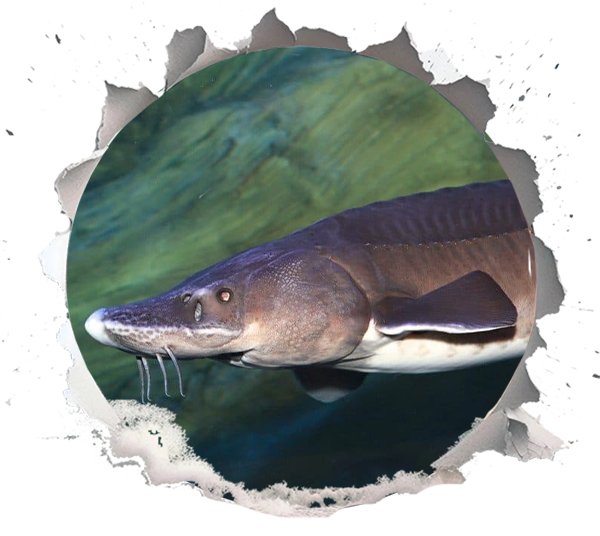
Hybrid sturgeon breeding set out to close that gap deliberately. By crossing a large-grained, slow-maturing species like Kaluga with a faster-maturing relative like the Amur sturgeon, breeders produce offspring that inherit a meaningfully larger grain size than a purely fast-maturing species would give you, while cutting years off the wait compared to a pure Kaluga or Beluga. It isn’t a shortcut so much as a genuine piece of applied genetics; hybrid vigour is a well-documented phenomenon in animal breeding more broadly, and sturgeon farming has simply put it to practical use.
The knock-on effect has been significant for the wider industry. Hybrid sturgeon farming eases pressure on the wild populations of slower-maturing species, since farms can produce a large-grain caviar without needing every single fish to be a true Beluga or Kaluga. It’s also made a genuinely large-grain, high-quality caviar experience available at a more accessible price point than Beluga alone ever could be, which is a large part of why hybrid caviar has grown so quickly in popularity over the past decade. This same logic sits at the heart of most serious sustainable caviar farming today: faster-maturing, well-managed broodstock means less strain on wild sturgeon and more predictable supply for everyone further down the chain.
The Bottom Line
Every tin of caviar carries a hidden timeline. Beluga’s price reflects two to three decades of patient, careful farming for a single harvest. Baerii’s more accessible price reflects a genuinely shorter, though no less carefully managed, path to maturity. Neither is a marketing story; it’s basic sturgeon biology, shaped by genetics, body size, evolutionary history and habitat, all converging on the same simple fact: some fish are just built to take their time, and others aren’t. Once you know that, the price tag on a tin of Beluga stops looking like luxury branding and starts looking like exactly what it is: the true cost of twenty-five years of waiting.