Caviar Sourcing & Selecting in a Michelin-Star Restaurant

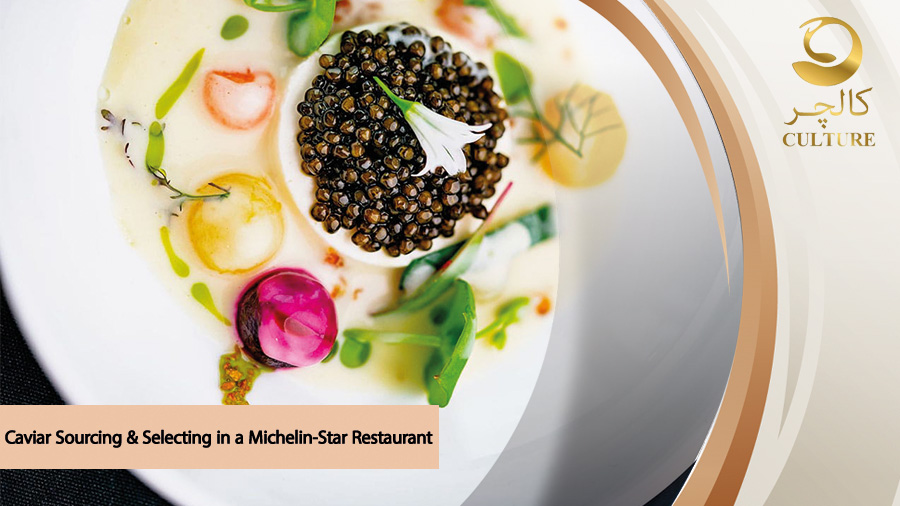
In haute cuisine, few ingredients carry the same prestige and expectation as caviar. For restaurant owners aiming to reach or maintain Michelin-level standards, understanding Michelin-star restaurant caviar sourcing is not just beneficial; it is essential. Caviar is not merely a garnish in these kitchens; it is a defining element that reflects quality, consistency, and culinary philosophy. Here, you find out how Michelin-star chefs source, evaluate, and handle caviar. We’ll review practical insights for restaurateurs who want to elevate their offerings and align with the standards of the world’s most celebrated kitchens.
What Michelin-Star Chefs Look for in Caviar
At the heart of Michelin-star restaurant caviar sourcing lies an uncompromising focus on quality. Chefs do not rely on branding or price tags alone; instead, they assess caviar through a refined sensory process that combines experience with precision. Grain size is one of the first characteristics evaluated. Larger, uniform pearls are generally preferred, particularly in high-end settings, because they provide a more elegant appearance and a satisfying texture. However, size alone is not enough. The grains must also be consistent across the entire batch, as variation can affect both presentation and mouthfeel.
Texture is equally critical. Premium caviar should have a delicate firmness, allowing each egg to hold its shape before delivering a clean, distinct “pop” on the palate. Mushy or overly soft roe is immediately rejected in Michelin kitchens, as it signals poor handling or inferior quality.
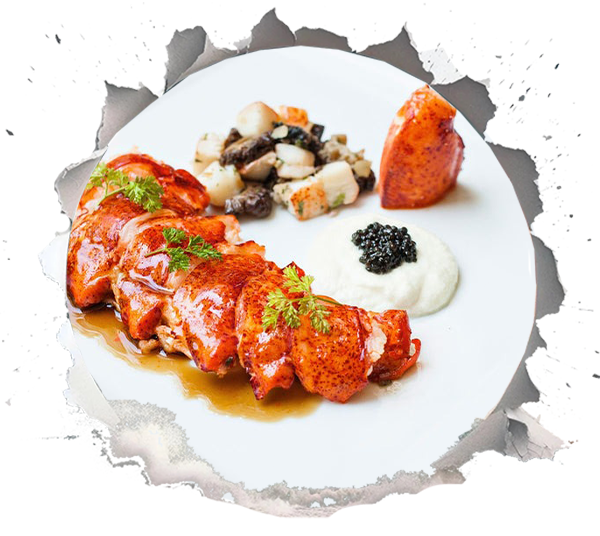
Aroma is another defining factor. High-quality caviar should offer a fresh, subtle scent reminiscent of the sea, without any harsh or overly fishy notes. This delicate balance is what allows caviar to complement rather than overpower other ingredients. Consistency across batches is perhaps the most challenging requirement. Michelin-star restaurants expect the same level of quality every time they receive a delivery. This is why chefs often taste multiple batches before making a selection. In many cases, only a small percentage of available stock meets their standards, reinforcing the importance of rigorous evaluation.
Direct Partnerships with Producers
One of the defining aspects of Michelin star restaurant caviar sourcing is the preference for direct relationships with producers rather than relying solely on distributors. While distributors still play a role, top-tier restaurants often work closely with specific farms to ensure greater control over quality and traceability. Direct partnerships allow chefs to understand every stage of production, from the breeding of sturgeon to the harvesting and processing of roe. This transparency is invaluable, particularly in an industry where subtle differences in farming conditions can significantly impact the final product.
Farms that supply Michelin-star restaurants typically maintain strict environmental controls, especially regarding water quality, feed, and handling practices. These factors directly influence the texture, flavour, and overall integrity of the caviar. By working directly with producers, chefs can request specific characteristics, such as grain size or salinity levels, tailored to their menus.
Traceability has also become a key concern in recent years. Restaurants want to know exactly where their caviar comes from, not only for quality assurance but also for ethical and sustainability reasons. Direct sourcing makes it easier to verify these details and build long-term trust between chefs and producers. For restaurant owners, this approach highlights the importance of choosing suppliers who offer transparency and consistency, rather than simply opting for convenience or lower costs.
Why Origin Matters More Than Brand
In the luxury food market, branding often carries significant weight. However, in Michelin kitchens, origin tends to matter far more than the label on the tin. The concept of terroir, commonly associated with wine, applies equally to caviar. Historically, the Caspian Sea has been regarded as the birthplace of the finest caviar, thanks to its unique ecosystem and centuries-old traditions. Even today, caviar with roots in this region, like the Beluga caviar, is often associated with heritage, craftsmanship, and depth of flavour.
That said, modern aquaculture has expanded far beyond the Caspian region. Countries across Europe and beyond now produce high-quality caviar using advanced farming techniques. What matters most to Michelin chefs is not the brand name but the conditions in which the sturgeon are raised and the expertise behind the production process. Water purity, temperature control, and feeding practices all play a crucial role in shaping the final product. This is why many chefs prioritise origin and production methods over marketing claims. They seek caviar that delivers consistent quality and aligns with their culinary vision.
For those involved in fancy dining in Europe, this shift towards origin-based selection reflects a broader trend in gastronomy: a move away from prestige for its own sake and towards authenticity and transparency. Restaurants that understand this mindset are better positioned to meet the expectations of discerning guests.
The Role of Tasting Panels and Experts
Behind every tin of caviar served in a Michelin-star restaurant is a rigorous selection process often guided by experienced tasters and experts. These individuals play a crucial role in maintaining the high standards expected in fine dining. Tasting panels evaluate caviar based on a combination of visual, textural, and flavour criteria. Each batch is carefully inspected to ensure it meets the required specifications. Factors such as colour uniformity, glossiness, and the absence of impurities are assessed before the tasting even begins.
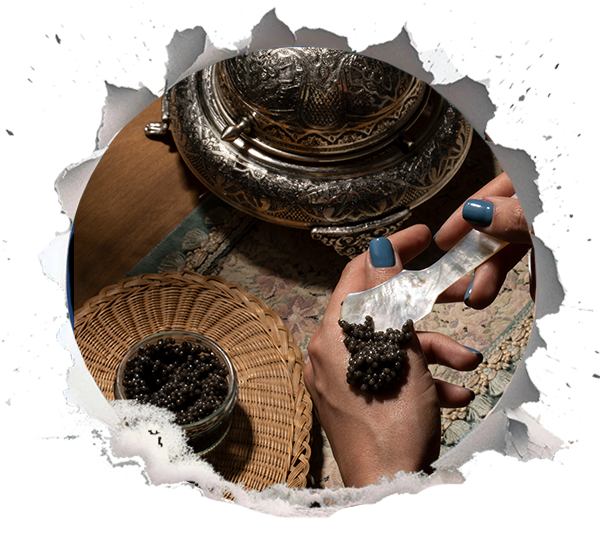
Once tasted, the caviar is judged on its balance of flavours, including saltiness, creaminess, and any nutty or buttery notes. The finish is particularly important, as it determines how long the flavour lingers on the palate. It is not uncommon for a significant portion of caviar batches to be rejected during this process. Michelin-level standards leave little room for compromise, and only the best selections make it through. This high rejection rate is a testament to the precision and discipline involved in sourcing caviar at this level.
For restaurant owners, adopting even a simplified version of this approach can make a noticeable difference. Regular tasting and comparison of different batches can help ensure that only the highest quality product reaches the customer. These practices are often considered part of the broader fine dining secrets that distinguish exceptional restaurants from the rest. Attention to detail at every stage, including ingredient selection, is what ultimately defines success in this industry.
How Restaurants Store and Handle Caviar
Sourcing high-quality caviar is only half the challenge. Proper storage and handling are equally important in preserving its delicate qualities. Michelin-star restaurants treat caviar with the same level of care as any other premium ingredient. Temperature control is critical. Caviar must be stored at a consistent, low temperature, typically just above freezing, to maintain its freshness and texture. Fluctuations in temperature can quickly degrade the quality, leading to loss of firmness and flavour.
Once opened, caviar should be consumed within a short timeframe to ensure optimal taste. Exposure to air can affect both the aroma and texture, so careful handling is essential. Service standards also play a significant role. Caviar is traditionally served using non-reactive materials to avoid altering its flavour. This is where specialised caviar serving tools become important, as they help preserve the purity of the product while enhancing the overall dining experience.
Presentation is another key consideration. In Michelin-star restaurants, caviar is often served in a way that highlights its natural beauty, allowing the colour and texture of the grains to take centre stage. This attention to detail reinforces the perception of quality and luxury. For restaurant owners, investing in proper storage equipment and training staff in correct handling techniques is a worthwhile step towards achieving higher standards. Even the finest caviar can fall short if it is not treated with care.
Balancing Tradition and Modern Expectations
While tradition remains an important aspect of caviar, Michelin-star restaurants are also adapting to modern expectations. Sustainability, ethical sourcing, and transparency are becoming increasingly important to both chefs and diners. Farmed caviar has largely replaced wild varieties, not only due to legal restrictions but also because of the need to protect endangered sturgeon species. Today’s leading producers use advanced aquaculture methods to replicate natural conditions while ensuring consistent quality.
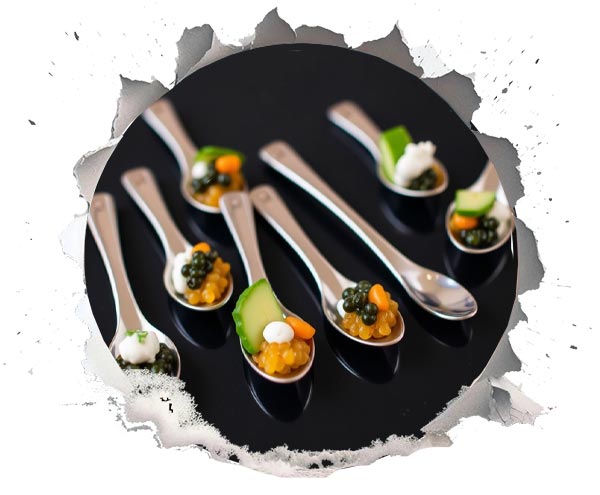
This shift has not diminished the appeal of caviar. On the contrary, it has opened up new possibilities for innovation and experimentation. Chefs are now able to explore a wider range of flavours and textures, tailoring their selections to suit specific dishes. For those seeking to offer the best caviar in the world, it is essential to strike a balance between respecting tradition and embracing modern practices. This means choosing suppliers who prioritise sustainability without compromising on quality.
Conclusion
Michelin star restaurant caviar sourcing is a complex and highly refined process that goes far beyond simple purchasing decisions. It involves careful evaluation of quality, direct relationships with trusted producers, and a deep understanding of how origin and handling affect the final product. For restaurant owners, adopting these principles can significantly enhance both the quality of their offerings and the overall dining experience. By focusing on consistency, traceability, and proper handling, it is possible to bring a touch of Michelin-level excellence to any establishment.
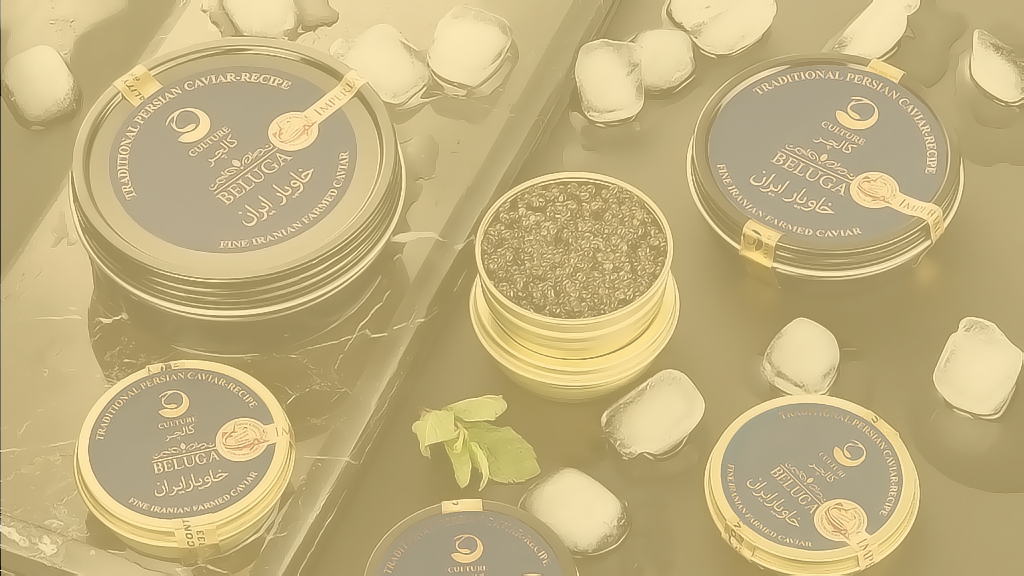
Caviar may be a luxury ingredient, but its true value lies in the attention to detail that surrounds it. Those who master this approach will not only meet the expectations of their guests but also set themselves apart in an increasingly competitive market. At Culture Caviar, we take pride in being a trusted partner in fine dining, supplying caviar to over 80% of high-end restaurants in Iran, along with a growing presence in Germany. Our dedication to consistent quality, transparent sourcing, and decades of expertise allows us to meet the exacting standards of professional kitchens.
Ready to Delight Your Clients?
Let Culture Caviar become your go-to supplier for wholesale caviar excellence.
FAQ
There is no fixed rule, but consistency is key. Most Michelin-level restaurants stick with trusted suppliers long-term and only switch if quality or reliability declines.
Not necessarily. Price often reflects rarity, but chefs focus more on flavour balance, texture, and how well the caviar complements a dish.
Yes, even without a Michelin star, restaurants can adopt similar standards by prioritising quality checks, building relationships with suppliers, and maintaining proper storage.
Relying solely on brand reputation without tasting the product first. Even premium labels can vary in quality between batches.
Very important. Proper handling, portioning, and presentation can significantly impact the guest experience and preserve the caviar’s quality.
Not always. While it can be enjoyed alone, many chefs pair it with neutral bases like blinis or lightly flavoured dishes to enhance its taste.
By checking certification, traceability details, and working with reputable suppliers who provide clear information about origin and production.
Yes, seasonal factors can influence the maturity of the roe, which in turn affects flavour and texture, although modern farming has reduced these variations.
It depends on the dish, but smaller, carefully measured portions are typical to maintain balance and avoid overwhelming the palate.
Yes, but it must be added carefully, usually at the last moment, to avoid heat damaging its texture and flavour.