The World’s Largest Caviar Producers From China & Iran

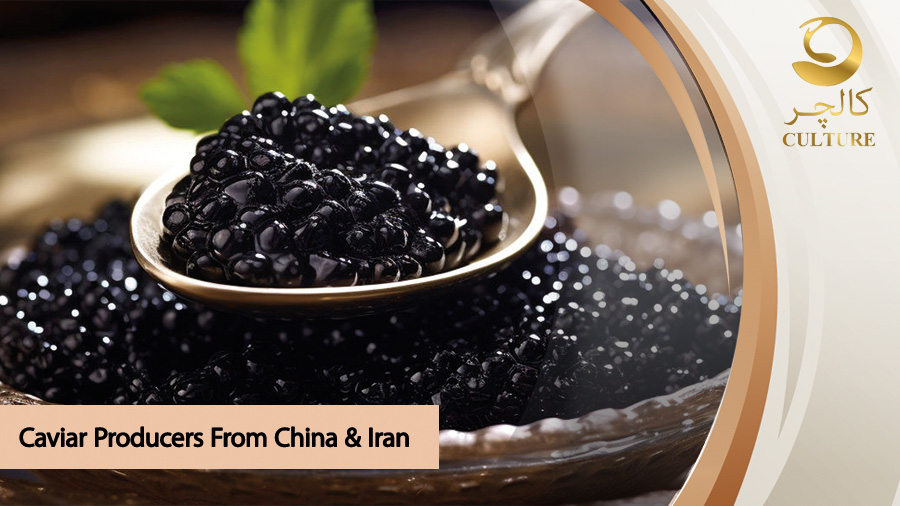
Caviar has always occupied a rare place in global food culture. It is a product of patience, precision, and an intimate relationship with nature. Once reserved almost exclusively for royal courts and elite banquets, caviar today is still a symbol of indulgence, yet its story has changed dramatically over the past few decades. Wild sturgeon fishing has been heavily restricted, sustainability has become essential, and aquaculture has stepped into the spotlight. At the centre of this modern transformation stand two producers that could not be more different in geography, yet are closely linked by ambition, expertise, and scale: Kaluga Queen in China and Saaee Aquaculture in Iran. Together, they represent two pillars of the global caviar supply, shaping how the world sources, produces, and enjoys this extraordinary delicacy. Here, we explore how China has become the largest caviar producer in the world, why Iran remains synonymous with Beluga excellence, and how sustainable sturgeon farming now defines the future of caviar.
From Rarity to Responsibility: A New Era of Caviar
For centuries, the Caspian Sea dominated the caviar world. Russia and Iran supplied almost all of the globe’s sturgeon roe, harvested from wild fish migrating through ancient rivers. This dominance came at a cost. Overfishing, pollution, and illegal trade pushed sturgeon populations to the brink of collapse.
By the early 2000s, international bans on wild caviar trade forced the industry to rethink everything. The solution was aquaculture: controlled, long-term sturgeon farming designed to protect endangered species while meeting global demand.
This shift did not happen overnight. Farming sturgeon is complex, expensive, and slow. Some species take over a decade before producing roe of sufficient quality. Only producers with vision, investment, and scientific expertise could succeed. Out of this challenge emerged a surprising leader: China.
China’s Rise as the World’s Largest Caviar Producer
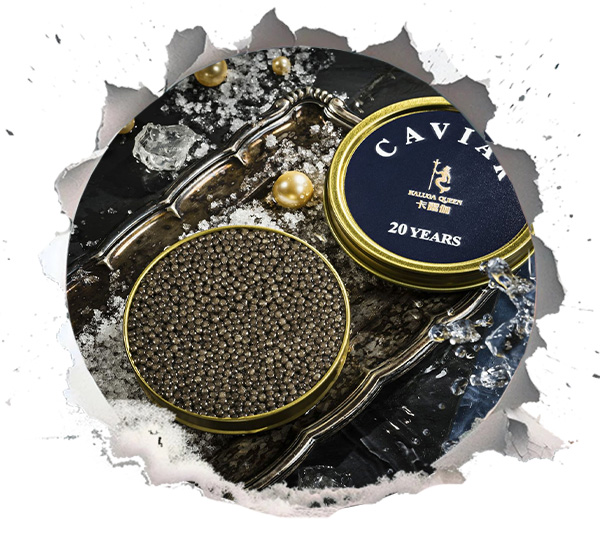
When people think of luxury foods, China is not always the first country that comes to mind. Yet today, the largest caviar producer China has ever known is also the largest in the world. Over half of the global supply now comes from Chinese farms, with Kaluga Queen at the forefront of this transformation.
China’s success lies in its willingness to invest heavily in long-term agriculture, water management, and hybrid sturgeon breeding. Rather than relying on declining wild stocks, Chinese producers built vast, purpose-designed farms that replicate ideal natural conditions.
“caviar producer China” now appears frequently in industry reports, trade discussions, and high-end menus. It signals not mass production, but scale combined with consistency, quality, and sustainability.
Kaluga Queen: The Giant of Modern Caviar
Kaluga Queen is widely recognised as the world’s largest caviar producer. Located near Qiandao Lake, also known as Thousand Island Lake, the company operates enormous sturgeon farms surrounded by pristine freshwater and protected landscapes.
What sets Kaluga Queen apart is not just volume, but method. The company specialises in hybrid sturgeon, most notably the Kaluga-Amur hybrid, which combines the richness of Beluga with a shorter maturation time. This innovation allows Kaluga Queen to produce high-quality caviar without waiting 15 to 20 years per fish.
The scale is impressive. Thousands of sturgeon are raised in carefully monitored conditions, with water quality, temperature and nutrition constantly controlled. Every stage of the fish’s life is tracked, ensuring traceability and consistency.
At the heart of the operation is a commitment to sustainable sturgeon farming. Water is recycled, waste is managed responsibly, and breeding programmes are designed to reduce pressure on endangered wild species. This approach has helped redefine how caviar can be produced ethically at scale.
The Craft Behind Kaluga Queen Caviar
Producing caviar is as much an art as it is a science. At Kaluga Queen, harvesting is done with extreme care to preserve both flavour and texture. Once the roe is extracted, it is gently cleaned, graded and lightly salted using the traditional Malossol method.
The result is Kaluga Queen caviar that is known for its large, glossy pearls, smooth texture and balanced taste. Notes range from buttery and creamy to subtly nutty, depending on the specific variety.
This caviar now appears in Michelin-starred restaurants, luxury hotels and specialist retailers across Europe. It has become a staple of modern fine dining, proving that innovation and tradition can coexist on the same spoon.
China and the Global Caviar Supply
The impact of China on the global caviar supply cannot be overstated. Before aquaculture, supply was limited, unpredictable and often illegal. Prices fluctuated wildly, and quality varied from batch to batch.
By contrast, large-scale farms like Kaluga Queen offer reliability. Chefs and distributors know exactly what they are buying, when it will be delivered and how it will taste. This stability has helped caviar move from an ultra-rare indulgence to a more accessible, though still exclusive, luxury.
At the same time, Chinese producers have invested in international standards, certifications and transparency. This has been crucial in building trust with European consumers, who increasingly care about origin, ethics and environmental impact.
Iran: The Spiritual Home of Beluga Caviar
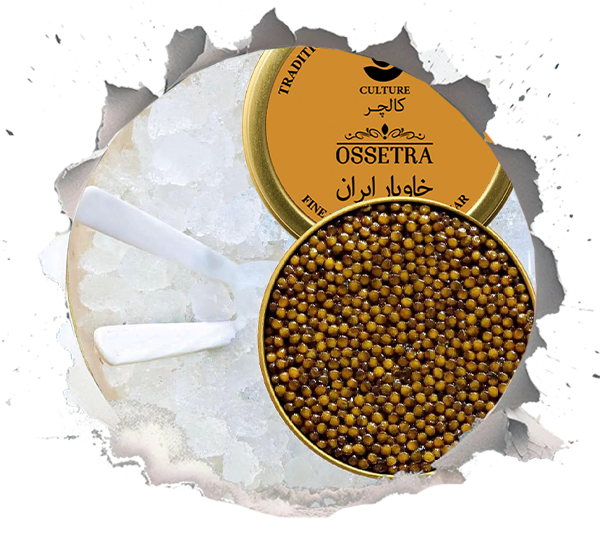
While China leads in volume, Iran remains emotionally and culturally tied to caviar’s past. For many connoisseurs, Iranian Beluga caviar represents the pinnacle of the craft.
Saaee Aquaculture stands as Iran’s most significant modern producer. Building on centuries of Caspian Sea expertise, the company has successfully transitioned from wild harvesting to advanced aquaculture, ensuring that Beluga caviar can continue to exist without endangering the species.
Iran’s relationship with sturgeon is deeply rooted. Techniques passed down through generations influence how fish are raised, handled and harvested. This heritage gives Iranian caviar a distinct identity that cannot be replicated elsewhere.
Saaee Aquaculture: Preserving a National Treasure
Saaee Aquaculture is widely regarded as the leading Beluga caviar farm in Iran. Its facilities are designed to mimic the natural conditions of the Caspian Sea as closely as possible, using carefully controlled water flows and temperature systems.
Beluga sturgeon are famously slow-growing. It can take 18 years or more before a female produces roe of sufficient quality. Saaee Aquaculture embraces this patience, prioritising quality over speed.
The result is Beluga caviar with large, soft pearls and a delicate, creamy flavour profile. This is the type of roe often associated with the most expensive caviar in the world, prized for its rarity and refinement.
Iranian Beluga Export in a Modern Context
The topic of Iranian Beluga export is complex. International regulations, sanctions and conservation laws have reshaped how and where Iranian caviar can be sold. Despite these challenges, producers like Saaee Aquaculture continue to reach select global markets through carefully regulated channels.
Every export shipment is tightly controlled, fully documented and compliant with CITES regulations. This ensures that Iranian caviar entering Europe or other regions meets strict environmental and legal standards.
For buyers, this adds an extra layer of value. Iranian Beluga is not just a luxury product; it is a carefully protected cultural and ecological asset.
Comparing Two Giants: China and Iran
Comparing Kaluga Queen and Saaee Aquaculture is not about deciding which is “better”. Instead, it highlights two distinct philosophies within modern caviar production.
China represents innovation, scale and efficiency. Hybrid species, advanced technology and large farms allow Chinese producers to supply the majority of the global market. This makes caviar more available and supports the needs of restaurants and retailers worldwide.
Iran represents heritage, patience and prestige. Beluga caviar from Saaee Aquaculture is produced in smaller quantities, with a focus on tradition and long maturation. It appeals to purists and collectors who value rarity above all else.
Both approaches are essential. Without China as a caviar producer, the global caviar supply would struggle to meet demand. Without Iran, caviar would lose a vital part of its soul.
Sustainability at the Core of Modern Caviar
One of the most important changes in the caviar world is the universal emphasis on sustainability. Both Kaluga Queen and Saaee Aquaculture operate under the understanding that sturgeon survival comes first.
Sustainable sturgeon farming involves responsible breeding, careful feeding, disease prevention without overuse of chemicals, and long-term planning. It also includes education, research and collaboration with environmental organisations.
Consumers today are far more informed. They want to know that their luxury food is not contributing to extinction. Producers who ignore this reality simply do not survive in the modern market.
Water, Time and Precision: The Real Challenges
Raising sturgeon is not easy. Water quality must be pristine, as sturgeon are highly sensitive to pollution. Temperature fluctuations can affect growth rates and roe quality. Disease outbreaks can wipe out years of investment.
Time is perhaps the greatest challenge. Unlike other forms of aquaculture, sturgeon farming requires extraordinary patience. Producers must invest for years before seeing any return.
Kaluga Queen addresses this through hybrid breeding and scale, while Saaee Aquaculture relies on deep experience and careful selection. Both approaches require long-term vision and financial resilience.
Caviar in European Culture Today
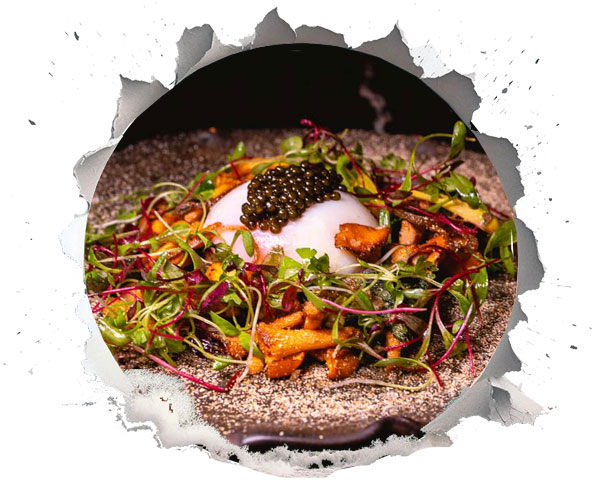
Across Europe, caviar has found a renewed place at the table. It is no longer limited to formal banquets. Instead, it appears in modern tasting menus, paired with unexpected ingredients and presented in creative ways.
For many European consumers, choosing caviar is also about choosing a story. Is it a product of innovation from the world’s largest farms in China, or a symbol of tradition from Iran’s Caspian heritage?
Brands that communicate these stories clearly stand out. A well-positioned luxury caviar brand does more than sell roe; it connects the eater to the origin, the water and the people behind the product.
Availability Without Compromise
One of the great achievements of modern aquaculture is that caviar is no longer disappearing. The combined output of China and Iran ensures continuity, stability and quality across the market.
Kaluga Queen’s contribution means chefs can rely on consistent supply without compromising ethics. Saaee Aquaculture ensures that Beluga remains available, albeit in limited quantities, for those seeking something truly exceptional.
Together, they protect caviar’s future while respecting its past.
Looking Ahead: The Future of Global Caviar
The global caviar industry will continue to evolve. Climate change, water scarcity and regulatory pressure will shape how farms operate. Technology will play an even greater role in monitoring fish health and environmental impact.
China is likely to maintain its position as the largest producer, refining its methods and expanding its influence. Iran will continue to focus on quality, heritage and carefully managed exports.
For consumers, this means greater transparency, better quality and more informed choices. Understanding where caviar comes from enhances the experience, turning a moment of indulgence into a connection with global craftsmanship.
Conclusion: Two Paths, One Future
Kaluga Queen and Saaee Aquaculture represent two paths within the same world. One is built on innovation and scale, the other on tradition and patience. Both are essential to keeping caviar alive, available and respected.
Whether sourced from a vast lake in China or a carefully managed Beluga caviar farm in Iran, modern caviar tells a story of responsibility as much as luxury. It reflects a global effort to balance demand with preservation.
For European readers and caviar lovers, knowing these producers means understanding the true value behind each pearl. In a world where luxury is increasingly defined by ethics and origin, these two giants are shaping the future of one of gastronomy’s most iconic foods.