The Psychology of the Unboxing & Luxury Packaging

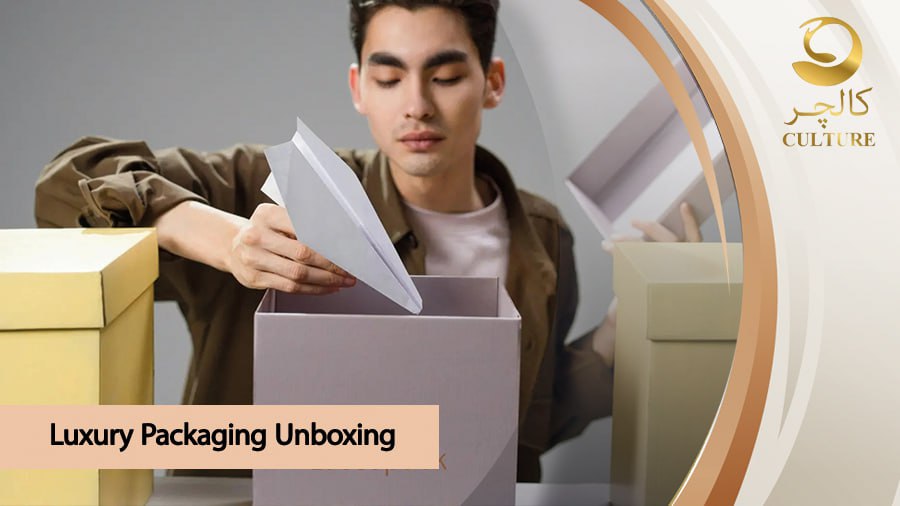
The moment a parcel arrives and you catch sight of its carefully sealed edges, a psychological drama begins, before the product is ever touched or tasted. In the world of premium luxury goods, unboxing is not a secondary detail; it is the first bite of the customer experience. The way a package feels, sounds, and unfolds shapes expectations, builds anticipation, and creates a deep emotional connection long before the contents are revealed. It’s a phenomenon rooted in luxury packaging psychology, a subtle interplay between sensory perception and brand storytelling that elevates mere objects into treasured experiences.
It’s perhaps no surprise that the high-end food world, where every detail matters, has embraced this truth. When Culture Caviar parcels are packed with the same meticulous care used by a leading caviar house, encased in a thermal insulated box with foam protection and cold-chain elements that ensure freshness, those first moments of unboxing are more than functional. They become part of the narrative, creating pleasure, trust, and perceived value before the luxurious delicacy is even tasted. This is where luxury packaging psychology shifts from abstract theory to lived sensation.
Packaging as Anticipation: The Ritual Begins Before Opening
Imagine you hear the arrival notification. You spot the parcel, its surface solid and heavy, the edges neat, the seams precise. You know this isn’t just a box; this is a statement. In psychological terms, this engages the brain’s anticipation circuitry. Researchers note that packaging that conceals and protects creates curiosity, triggering a cascade of emotional responses that make the opening ritual itself pleasurable.
In luxury packaging psychology, the design of a high-end package is never accidental. Materials are substantial, with a weight that feels reassuring in the hand. The exterior may be minimalist, elegant, a cue to sophistication, or infused with subtle brand signatures that hint at what lies beneath. The simple act of lifting a lid sealed with precision gives a soft, satisfying click. Tactile cues like these are not arbitrary; they prime the senses and shape perception in meaningful ways. This is not packaging as mere container, it is packaging as prelude, an opening act to the product’s own story.
Sensory Experience: Sight, Touch, and Sound Matter
When you open a luxury package, the experience engages multiple senses simultaneously. The visual impact of a pristine internal environment, the smooth glide of a magnetic closure or snug foam casing, the weight and firmness of high-quality paper, all these elements engage the senses in ways that are deeply (and often unconsciously) linked to emotional satisfaction.
In the context of caviar, this sensory choreography begins with the packaging itself. The secure insulated box protects the cold-chain integrity that ensures freshness, but the moment you lift the lid, the sensory narrative shifts. The box’s interior, perfectly arranged to cradle the delicate tins, signifies care and precision. The sound of foam moving aside, the sight of caviar tins arranged in cool symmetry, these details aren’t superficial. They communicate quality, reliability, and value long before the product is sampled. When these sensory elements work together, they produce what some designers call “sensation transference”, where emotions about the packaging transfer onto the product itself. In short, the brain often judges the item inside based on the experience of opening the package, and this is low luxury packaging psychology works.
Perceived Value and the Justification of Premium Pricing
It is remarkable how quickly perception forms. Studies in consumer behaviour show that luxury packaging contributes significantly to the perceived value of a product. Thick materials, quality finishes, and thoughtfully designed unboxing moments all signal exclusivity, which in turn makes people feel that what they hold is inherently worth more.
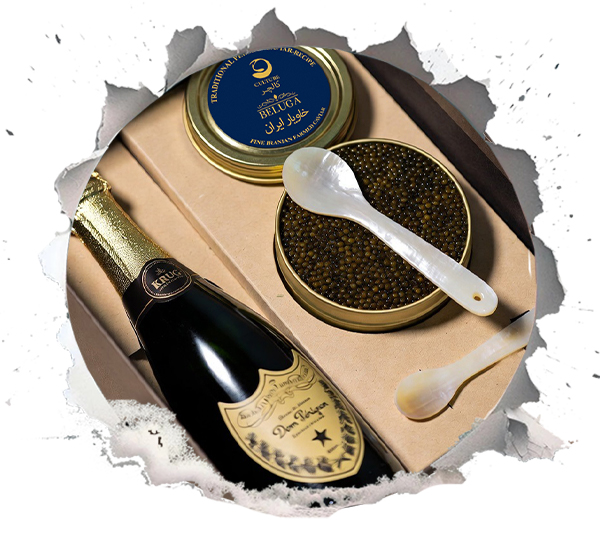
This is not a superficial trick. It’s a psychological dynamic known as the halo effect, where one positive element (in this case, the luxury packaging) enhances overall judgement of the brand and the item inside. A well-executed unboxing makes the investment feel justified, not only because the product delivers quality, but because the experience feels worthy of its price.
In premium food markets, this effect is particularly potent. Consumers seeking rare, extraordinary gastronomic experiences do not just buy products; they invest in stories, heritage, and ritual. Packaging that signals prestige and refinement amplifies those signals. It suggests an attention to detail that mirrors the care taken in producing the contents, a psychology that turns mere food items into objects of desire.
Emotional Connection and Brand Storytelling
Luxury packaging is a language in itself, in psychology. It conveys confidence, care, and identity. Through choice of colour, material, and structure, packaging communicates what the brand stands for, its ethos, its heritage, its promise of excellence. In many cases, the emotional impact of unboxing goes far beyond the physical. A personalised note, the satisfaction of every layer unfolding gently, or simply the symmetry and presentation of the innermost contents, these contribute to an emotional bond between consumer and brand. This connection fosters loyalty, making it more likely that a customer will return for subsequent purchases.
When customers purchase something as meaningful as a fine food gift, and especially when they experience caviar as a gift, this psychological bond becomes even more pronounced. The care taken in packaging reflects care taken in production, inviting a deeper appreciation of the craft behind the product. That emotional resonance makes the unwrapping as significant as the tasting.
Unboxing as Theatre: Curated Moments of Delight
For many consumers, the unboxing phase has become an event in its own right, so much so that unboxing videos dominate social networks, turning privacy into spectacle and routine into ritual. When packaging is engineered with intention, every step becomes part of a curated progression: the outer seal, the reveal of protective layers, the final glimpse of the product. Each transition builds anticipation, mimicking the feel of a performance where the audience is invited to savour each act. This dramaturgy, subtle yet powerful, enhances satisfaction and changes the way customers feel about what they purchase.
The psychology here is simple yet profound: people remember how an experience felt long before they remember specific details about the product. Thoughtful unboxing engages memory and emotion in ways that ripples back to strengthen brand recall and customer loyalty.
Luxury and Gift Presentation: Beyond the Object
In contexts where presentation is paramount, such as luxury food gifts, luxury packaging and its psychology becomes even more important. The emotional stakes are higher, and so the psychological impact of packaging must match. Refinement, elegance, and a sense of occasion transform an object into a gift imbued with meaning and significance. Gift packaging carries its own psychological weight. A beautifully wrapped present triggers oxytocin, the hormone linked to bonding and affection. The layers of tissue, the protective shell of the insulated box, the moment when the recipient’s fingers first touch the surface, these all contribute to a deep, visceral experience that feels personal and thoughtful.

This is precisely why premium food parcels are not just wrapped; they are orchestrated. The customer does not merely receive a product; they are welcomed into a narrative of care, mastery, and celebration.
Lasting Impressions and the Memory of Opening
Our brains are wired to remember sensory experiences that engage multiple senses, touch, sight, and even sound. The tactile weight of a well-constructed package, the crisp sound of insulation shifting aside, and the immaculate reveal of inner contents all leave impressions that endure beyond the moment of opening.
This longevity of memory is crucial for brands seeking to cultivate long-term loyalty. A great unboxing experience becomes something customers talk about, share with friends, or revisit mentally long after the product has been consumed. It residing not just in the dining room’s memory, but in the customer’s perception of the brand’s identity.
Even the tools associated with premium rituals have their place here. Once the product is revealed, accessories like elegant caviar serving tools, presented in harmony with the main item, complete the sensory experience and extend the emotional value beyond the first touch.
In Conclusion: The Cognitive Power of Presentation
The act of opening a well-designed package is more than a precursor to consumption, it is a psychological event that shapes perception, emotion, and memory. Luxury packaging is the silent messenger that elevates products from utilitarian objects to objects of desire and meaning.
When packaging engages the senses, signals prestige, and communicates intention, it does more than protect the product; it defines the customer experience. In this sense, the unboxing moment becomes a ritual, a celebration of quality, and a manifestation of brand identity. It rewards anticipation, stimulates emotional connection, and justifies premium pricing in ways that transcend logic and settle instead into feeling. In the psychology of luxury, whether caviar or couture, what lies outside the package matters as much as what lies within.
FAQ
No. We use recyclable card and paper that still feels premium, and most customers reuse the box at home for months afterwards.
Yes, simply write your message at checkout and we will include a beautiful printed card inside the box.
No, but you can easily add mother-of-pearl spoons or other accessories at checkout to complete your set.