Hybrid Sturgeon: Essential for Sustainable Caviar Production

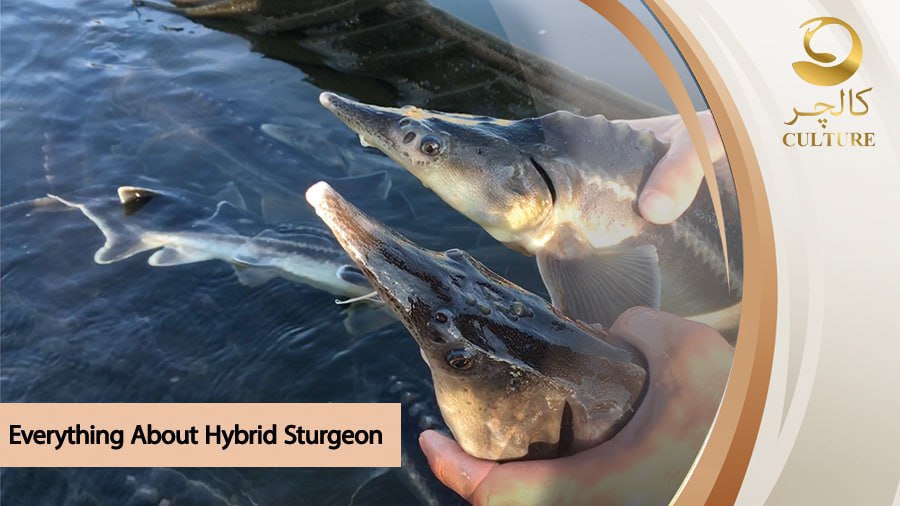
Traditional caviar production has placed immense pressure on wild sturgeon populations, many of which are now critically endangered. The future of caviar depends on innovation, responsibility, and science. At the heart of this transformation stands the hybrid Sturgeon, a carefully bred fish that is reshaping how caviar is produced, consumed and valued. By combining the strengths of different sturgeon species, hybrids allow farms to produce exceptional caviar while protecting fragile ecosystems and supporting fish conservation. Here, we explore why hybrid sturgeon are essential for sustainable caviar production and the science behind breeding, the role of eco-friendly aquaculture, the economic realities for farms, and how this approach helps secure the future of one of the world’s most luxurious foods.
The Sturgeon: An Ancient Fish Facing a Modern Crisis
Sturgeon have existed for more than 200 million years, surviving mass extinctions and dramatic changes in the planet’s climate. Ironically, it is human demand, not nature, that has pushed them to the edge. Wild sturgeon populations have suffered due to overfishing driven by high caviar prices, river damming that blocks migration routes, water pollution and habitat destruction, and illegal poaching and black-market trade. Despite international protections, many species have struggled to recover. This reality forced the caviar industry to rethink its foundations. Farming was no longer optional; it became essential. However, early aquaculture faced challenges of slow growth, disease vulnerability and high mortality; problems that hybrids were designed to solve.
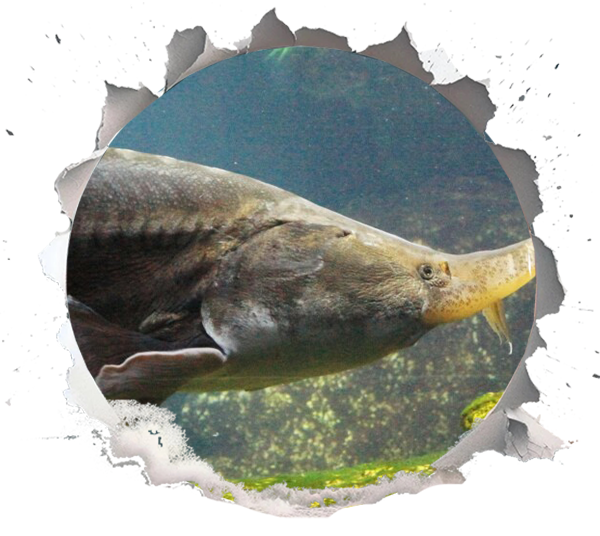
What Is a Hybrid Sturgeon?
A hybrid sturgeon is the result of carefully planned breeding between two compatible sturgeon species, chosen for how well their natural characteristics complement each other. The aim is not to create something artificial, but to guide nature in a controlled setting, allowing farms to raise fish that are well suited to life in modern aquaculture. This approach has become especially important as traditional sturgeon species often struggle in farm environments or require long production cycles that are no longer sustainable.
By combining traits such as robustness, adaptability and predictable development, hybrids offer farmers greater stability and control throughout the farming process. This makes it possible to maintain high welfare standards while producing caviar with reliable quality and flavour. Most importantly, it allows caviar production to continue without increasing pressure on vulnerable wild sturgeon populations, supporting both responsible farming and long-term conservation goals.
The Science Behind Hybrid Breeding
Hybrid sturgeon breeding is a precise and highly regulated process. It begins with the selection of healthy, mature broodstock, often raised entirely in captivity to avoid any impact on wild populations.
Controlled Reproduction
Breeding takes place in controlled environments where:
- Water temperature and quality are closely monitored
- Spawning cycles are carefully timed
- Eggs and milt are handled by trained specialists
This reduces stress on the fish and increases survival rates for both parents and offspring.
Genetic Balance
One of the key challenges in hybrid breeding is maintaining genetic stability. Responsible farms avoid excessive hybridisation and work with ichthyologists to ensure:
- Healthy gene diversity
- Predictable growth patterns
- Long-term viability of breeding lines
The result is a fish that grows efficiently while maintaining the biological integrity of its parent species.
Supporting Fish Conservation Through Innovation
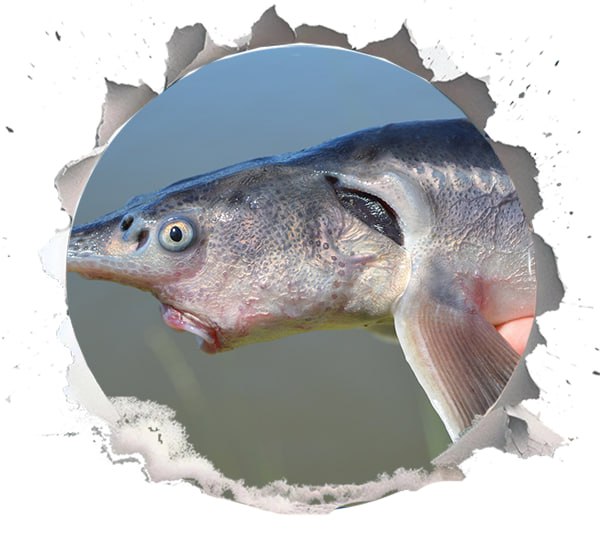
Hybrids are not a threat to conservation; they are one of its most powerful tools.
Reducing Pressure on Wild Populations
Every farmed hybrid sturgeon means fewer incentives for illegal fishing, reduced demand for wild-caught caviar, and stronger enforcement of conservation laws. This shift has already contributed to stabilising some wild sturgeon populations.
Conservation Partnerships
Leading farms often collaborate with environmental organisations, universities and research institutes, and government conservation programmes. These partnerships support restocking projects, habitat research and public education, proving that luxury food and environmental responsibility can coexist.
Hybrid Sturgeon and the Quality of Modern Caviar
There was once scepticism that farmed caviar could match the complexity of wild roe. Hybrids have changed that perception entirely. Thanks to controlled diets, stable water conditions and careful harvesting, caviar from hybrid sturgeon offers:
- Consistent grain size
- Clean, refined flavours
- Balanced salinity
- Excellent texture and freshness
Many experts now argue that farmed caviar provides a superior and more reliable experience. In this context, products such as Hybrid Caviar represent a modern expression of craftsmanship; combining tradition with sustainability and scientific precision.
Economic Sustainability for Caviar Farms
Beyond environmental benefits, hybrids are essential for the long-term survival of caviar farms themselves.
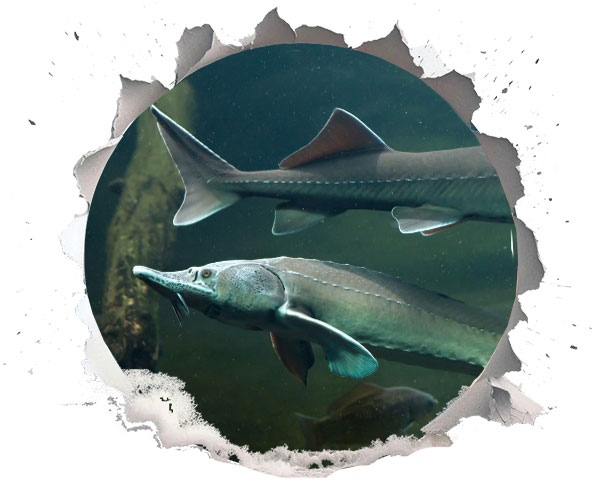
Shorter Time to Market
Traditional sturgeon species may take over a decade to produce caviar. Hybrid sturgeon often mature significantly faster, allowing farms to:
- Reduce financial risk
- Maintain stable pricing
- Invest more in animal welfare and innovation
Business Stability
A predictable production cycle enables farms to:
- Plan exports across Europe
- Meet consistent quality standards
- Build long-term relationships with chefs and retailers
Without hybrid sturgeon, many responsible caviar producers would simply not be economically viable.
A Closer Look at Hybrid Varieties in Today’s Market
Different hybrid sturgeon crosses result in distinct caviar styles, each with its own sensory profile. Some farms focus on elegant, delicate expressions inspired by classic traditions, while others develop bolder flavours suited to modern gastronomy. In the premium segment, names such as Shah Caviar reflect how hybrid sturgeon can produce roe that meets the expectations of the most demanding palates. At the same time, hybrids connected to well-known species, such as those related to Baeri Caviar, demonstrate how innovation can respect heritage while improving sustainability.
Challenges in Hybrid Sturgeon Farming
While hybrid sturgeon offer many advantages, they are not without challenges.
High Initial Costs
Setting up a responsible hybrid sturgeon farm requires:
- Advanced filtration systems
- Skilled staff and veterinarians
- Long-term investment before returns
This creates barriers for smaller producers and highlights the importance of industry transparency.
Ethical Responsibility
Hybrid breeding must always prioritise:
- Fish welfare
- Environmental protection
- Clear labelling for consumers
Poorly managed farms can undermine trust and damage the reputation of sustainable caviar as a whole.
The Role of Technology in the Future of Hybrid Sturgeon
The future of hybrid sturgeon farming is closely tied to technological progress. Innovations include AI-driven water quality monitoring, precision feeding systems to reduce waste, non-lethal ultrasound methods for roe assessment, and traceability for supply chains. These tools allow producers to improve efficiency while offering consumers greater confidence in origin and ethics.
Hybrid Sturgeon and the Values of Modern Consumers
Today’s caviar lovers are more informed than ever. They care not only about taste, but also about environmental impact, animal welfare, and authentic storytelling. Hybrid sturgeon align perfectly with these values. They represent a shift from extraction to stewardship; from taking from nature to working with it. For European consumers in particular, sustainability is no longer a trend; it is an expectation.
A New Chapter for Caviar
Hybrid sturgeon are not a compromise. They are a solution. By combining scientific knowledge, responsible farming and respect for tradition, hybrid sturgeon have become essential to sustainable caviar production. They protect endangered fish, reduce environmental impact, support ethical businesses and deliver exceptional quality. For those who value both luxury and responsibility, hybrid sturgeon offer a reassuring truth: the future of caviar can be just as exquisite as its past; without costing the planet.
Frequently Asked Questions
No. Hybrids are produced through selective breeding, not genetic engineering. This process occurs naturally in many areas of agriculture and aquaculture.
Caviar from hybrid sturgeon is known for its clean flavour, consistent texture and balanced salinity. Many experts consider it equal or superior to traditional wild caviar.
In many cases, yes. Hybrids are generally more resistant to disease and adapt better to controlled environments, reducing the need for medication.
When produced by transparent and well-managed farms, hybrid sturgeon caviar supports animal welfare, environmental protection and responsible luxury consumption.
Controlled breeding, stable diets and monitored water conditions allow producers to deliver reliable grain size, flavour and freshness year after year.