Starting a Fine Dining Seafood Restaurant: A Step-by-Step Guide

Opening a fine dining seafood restaurant is both an art and a business. It combines culinary excellence with strategic planning, deep respect for ingredients, and an understanding of a demanding clientele. Across Europe, seafood has long been associated with refinement, regional identity, and celebration — from oysters on the Atlantic coast to caviar served in candlelit dining rooms. Today’s diners expect more than just exceptional flavour; they look for sustainability, transparency, atmosphere, and storytelling. For entrepreneurs entering this space, success lies in balancing creativity with structure, passion with discipline, and luxury with responsibility.
In this guide, we walk you through the key stages of launching a successful fine dining seafood restaurant in Europe, from shaping your concept and sourcing responsibly to designing menus, building teams, and growing your business over time.
Step 1: Understanding the European Seafood Dining Market
Understanding the European seafood dining market means recognising that expectations are shaped as much by culture as by cuisine. Diners in different regions bring their own reference points to the table, influenced by local traditions, travel and exposure to international dining scenes.
Know Your Guests
Equally important is how diners evaluate value. In fine dining seafood, price sensitivity is not about finding the cheapest option, but about whether the experience feels justified. Guests are more likely to appreciate thoughtful portions, clear sourcing stories and confident restraint than overt displays of opulence. Understanding what your audience considers “worth it” allows you to design an experience that feels generous and intentional, rather than excessive or underwhelming.
Study Local and Regional Trends
Finally, studying local and regional trends helps you position your restaurant clearly within its competitive landscape. This is not about copying what already exists, but about identifying gaps and opportunities. By observing how seafood is currently presented, priced and discussed in your chosen location, you can refine your concept to feel both relevant and distinctive. The result is a restaurant that feels naturally aligned with its environment while offering something genuinely memorable.
Step 2: Defining Your Restaurant Concept
Defining your restaurant concept is about making deliberate choices rather than trying to appeal to everyone. A clear identity helps you decide what belongs on the menu, how the space should feel and how your team communicates with guests. When those elements align, the restaurant feels coherent and confident. Guests may not consciously analyse this, but they sense when a concept is focused and authentic rather than scattered or indecisive.
Choose a Clear Identity
Choosing between classic and contemporary, or regional and global, is less about right or wrong and more about consistency. A concept rooted in regional seafood traditions might prioritise familiar flavours and techniques, while a globally influenced approach may explore unexpected pairings or modern presentations. What matters is that these choices are intentional and clearly expressed, so guests understand what kind of experience they are being invited into from the moment they encounter your brand.
Decide on Your Level of Luxury
Deciding on your level of luxury further sharpens this identity. Luxury does not always mean formality or extravagance; it can also be conveyed through calm design, precise cooking and deep respect for ingredients. Some restaurants communicate prestige through rarity and spectacle, while others rely on understatement and trust in their craft. When luxury is defined clearly within your concept, it guides decisions naturally and helps create an experience that feels assured rather than performative.
Step 3: Building a Solid Business Plan
Passion alone is not enough. A detailed, realistic business plan is essential for long-term success.
Financial Planning
Your business plan should include start-up costs (fit-out, equipment, licences), operating costs (staff, rent, utilities, sourcing), pricing strategy, and break-even analysis. Fine dining seafood often involves higher food costs, so margins must be carefully calculated.
Funding and Investment
Depending on scale, you may seek personal investment, private partners, bank financing, and strategic hospitality investors. Investors will expect clarity, credibility and a strong understanding of the market.
Step 4: Navigating Legal and Regulatory Requirements
European hospitality regulations vary by country, but compliance is non-negotiable.
Licences and Certifications
Common requirements include:
- Food safety and hygiene certification
- Alcohol licensing
- Business registration
- Employment compliance
If you plan to serve raw seafood or caviar, additional health standards may apply.
Sustainability and Traceability Rules
Many European countries now require clear documentation of seafood origin and sustainability. This aligns with modern consumer expectations and should be embraced, not avoided.
Step 5: Choosing the Right Location
Location can elevate or undermine even the best concept.
Key Factors to Consider
When selecting a site, assess:
- Visibility and accessibility
- Foot traffic versus destination dining
- Proximity to affluent neighbourhoods or hotels
- Rent relative to projected revenue
A fine dining seafood restaurant does not always need a busy street, but it must feel intentional and well placed.
Space and Layout
Your space should support:
- Calm, elegant dining flow
- Comfortable table spacing
- Efficient kitchen operations
- Proper seafood storage and handling
Design should enhance the dining experience without overwhelming it.
Step 6: Sustainable Seafood Sourcing

Sourcing is at the heart of a seafood restaurant’s credibility.
Build Trusted Supplier Relationships
Work with suppliers who can offer:
- Consistent quality
- Clear origin information
- Seasonal availability
- Ethical harvesting practices
Strong supplier relationships ensure reliability and help protect your reputation.
Think Beyond Freshness
Sustainability is no longer optional. European diners increasingly value:
- Certified fisheries
- Farmed seafood with low environmental impact
- Reduced food waste
Responsible sourcing supports both the planet and your brand story.
Step 7: Designing a Fine Dining Seafood Menu
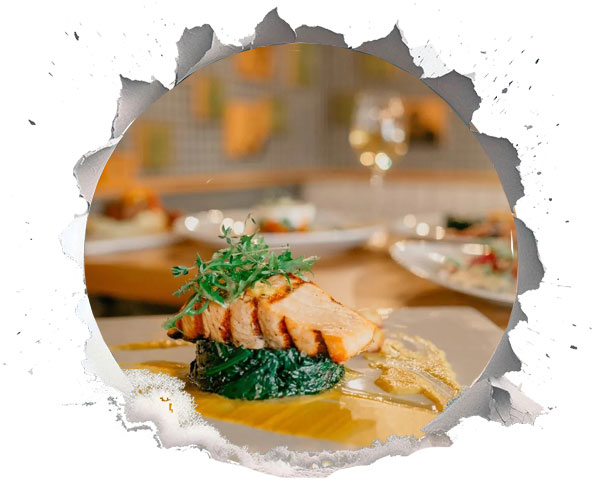
Your menu is where vision becomes tangible.
Balance Creativity and Comfort
An effective fine dining seafood menu:
- Highlights a few signature dishes
- Evolves with the seasons
- Respects classic techniques
- Leaves room for innovation
Guests appreciate clarity. Avoid overly complex descriptions or excessive choices.
Embrace Seasonality
Seafood quality changes throughout the year. Successful restaurants update menu seasonally to reflect what is at its best, ensuring freshness and reducing environmental strain.
Include Caviar Thoughtfully
Caviar should feel intentional, not decorative. Whether served traditionally or integrated into a dish, it should enhance the overall narrative of refinement.
Step 8: Building the Right Team
A fine dining restaurant is only as strong as its people.
Kitchen Team
Your culinary team should combine:
- Technical skill
- Respect for ingredients
- Calm under pressure
- Willingness to collaborate
Seafood requires precision. Proper training is essential to avoid waste and maintain quality.
Front of House
Service defines the guest experience. In fine dining, staff must be:
- Knowledgeable without arrogance
- Attentive but discreet
- Confident in explaining seafood and sourcing
Great service turns first-time guests into loyal patrons.
Step 9: Creating an Exceptional Dining Experience
Fine dining is about more than food.
Atmosphere and Design
Lighting, acoustics and materials should create:
- A sense of intimacy
- Comfort without distraction
- A timeless rather than trendy feel
Design should support conversation and focus attention on the plate.
Storytelling at the Table
Guests increasingly enjoy learning about:
- Where seafood comes from
- Why certain dishes are seasonal
- How sustainability shapes the menu
This storytelling builds emotional connection and trust.
Step 10: Marketing Your Fine Dining Seafood Restaurant
Even the best restaurant needs visibility.
Build a Strong Brand Presence
Focus on:
- A refined website
- High-quality photography
- Clear messaging about concept and values
Your online presence should reflect the same standards as your dining room.
Engage with the Right Audience
Marketing for fine dining seafood is about precision, not volume. Consider:
- Collaborations with chefs or sommeliers
- Media coverage in food publications
- Partnerships with luxury brands or hotels
Your goal is reputation, not noise.
Step 11: Daily Operations and Consistency
Excellence must be maintained every day.
Monitor Quality Constantly
Pay close attention to:
- Ingredient freshness
- Plate consistency
- Service standards
- Guest feedback
Small issues can quickly damage a fine dining reputation.
Control Costs Without Compromise
Smart operations include:
- Accurate portioning
- Waste reduction
- Efficient scheduling
- Continuous staff training
Consistency builds trust with both guests and suppliers.
Step 12: Growing and Evolving the Business
Once established, growth should be thoughtful.
Refine Before Expanding
Before adding:
- New locations
- Private dining
- Retail products
Ensure your core restaurant operates flawlessly.
Stay Relevant in a Changing Market
The landscape of fine dining in Europe continues to evolve. Sustainability, transparency and experience now matter as much as luxury. Restaurants that adapt thoughtfully will remain relevant and respected.
A Sustainable Future for Fine Dining Seafood
Starting a fine dining seafood restaurant is a demanding journey, but also a deeply rewarding one. It requires discipline, creativity and respect — for the craft, for the ingredients and for the guest. By focusing on strong planning, responsible sourcing, thoughtful menus and genuine hospitality, new restaurant owners can create spaces that feel both luxurious and meaningful. In a world where conscious consumption is reshaping gastronomy, fine dining seafood offers the opportunity to celebrate the ocean while protecting it. For entrepreneurs ready to commit to quality and sustainability, the future of seafood dining in Europe is not only promising — it is inspiring.
FAQ
No, you need a robust business plan. Success relies on balancing culinary creativity with strict financial planning and operational discipline.
Focus on consistency rather than trying to please everyone. Choose a specific identity—whether classic or modern—and ensure every detail, from the menu to the service, reflects that choice.
Not necessarily. While accessibility matters, the priority is a location that feels intentional and supports the dining atmosphere, even if it is a destination spot.
It is the foundation of your reputation. Building relationships with ethical suppliers ensures quality and satisfies the growing European demand for sustainable, traceable food.
It should evolve regularly to match the seasons. This guarantees the freshest ingredients and demonstrates a commitment to environmental responsibility.
Staff should be knowledgeable and attentive without being intrusive. The goal is to guide the guest through the experience confidently and respectfully.
Prioritise reputation over volume. Use high-quality visuals and partnerships with luxury brands to attract the right clientele, rather than chasing mass exposure.
Only after your original location is operating flawlessly. It is better to refine your core operations first before adding new outlets or products.