From Iran to Italy: How Caviar Production Moved West

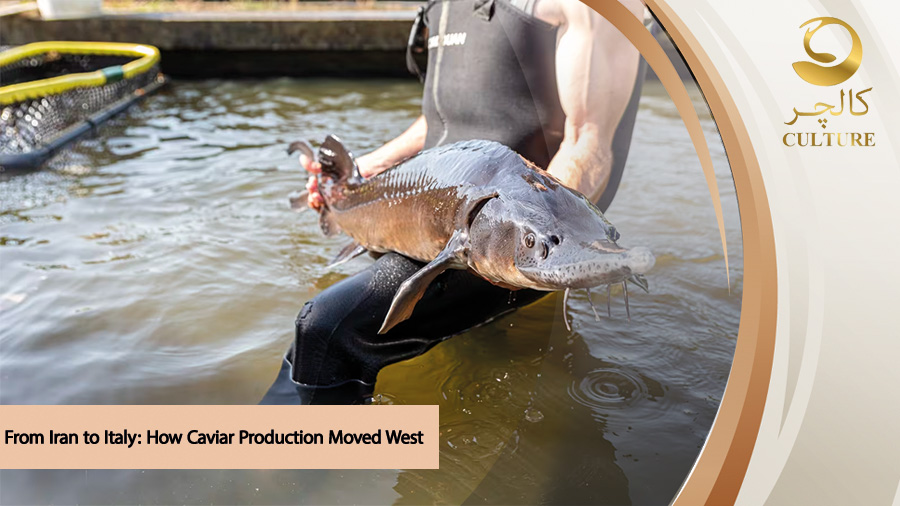
Caviar has long been seen as one of the world’s most refined delicacies, linked to luxury, tradition, and craftsmanship. For centuries, its story began in the waters of Iran, where nature and expertise combined to create what many still consider the finest roe in the world. However, the global caviar landscape has changed over the past few decades. Today, caviar production in the West is not only a reality but a dominant force in the industry. This shift from East to West is a story of environmental pressure, innovation, and adaptation.
The Origins of Caviar in Iran
The history of caviar is deeply rooted in Iran, particularly along the shores of the Caspian Sea. This vast body of water has long been the natural habitat of sturgeon, the ancient fish species responsible for producing caviar. For generations, Iranian fishermen and producers developed a deep understanding of how to harvest and process roe with precision and care.
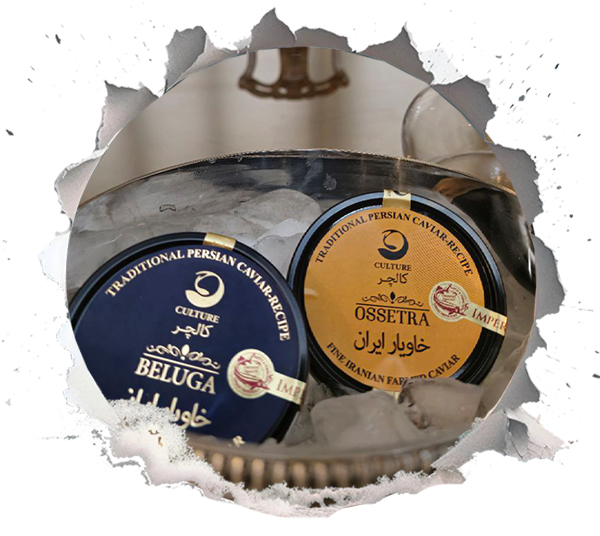
What set Iranian caviar apart was not just the environment, but also the culture surrounding it. Caviar was more than a product; it was a symbol of heritage and expertise. The term Caspian Sea caviar became synonymous with quality, representing roe that was harvested from wild sturgeon in pristine waters. The natural conditions of the Caspian Sea, including its mineral-rich environment and stable ecosystem, allowed sturgeon to thrive and produce roe of exceptional taste and texture.
For many years, Iran stood as one of the world’s leading exporters of caviar, supplying high-end markets across Europe and beyond. This dominance shaped global expectations of what premium caviar should be.
The Downfall of Wild Sturgeon and Regulatory Changes
Despite its long-standing success, the traditional caviar industry faced a serious crisis in the late twentieth century. Overfishing became a major issue, as rising global demand led to excessive harvesting of wild sturgeon. These fish, which take many years to mature, could not reproduce quickly enough to keep up with demand. At the same time, environmental problems began to affect the Caspian region. Pollution, habitat destruction, and the broader effects of climate change on the caviar industry further weakened sturgeon populations. The situation became so severe that several species were pushed to the brink of extinction.
In response, international organisations introduced strict regulations. Trade restrictions and protection measures, particularly under global agreements such as CITES, limited the export of wild caviar. While these steps were necessary to protect sturgeon species, they also disrupted the traditional supply chain. As a result, the industry faced a turning point. Producers could no longer rely on wild harvesting alone. A new approach was needed, one that could balance demand with sustainability.
The Rise of European Aquaculture
The solution came in the form of aquaculture. Instead of relying on wild sturgeon, producers began to farm these fish in controlled environments. This shift marked the beginning of modern Caviar Production in West, as European countries invested heavily in fish farming technologies. Countries such as Italy, France, and Germany quickly became leaders in this new approach. By developing advanced sturgeon farming techniques, they were able to replicate the natural conditions needed for sturgeon to grow and produce high-quality roe. Clean water systems, carefully managed diets, and controlled breeding programmes all played a role in ensuring consistent results.
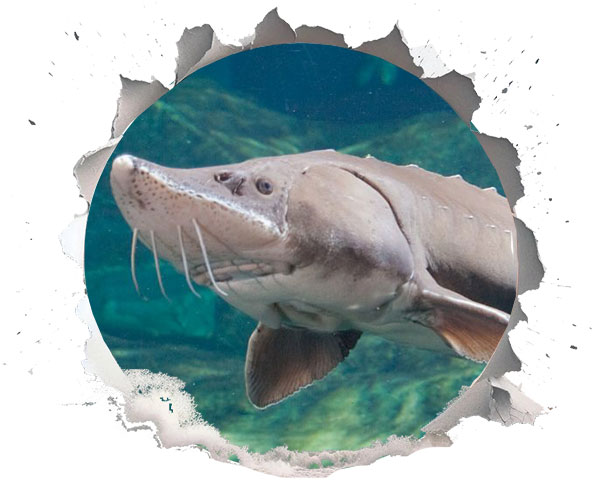
European producers also benefited from strong regulatory frameworks and a focus on food safety. This helped build trust among consumers, especially in luxury markets where quality and traceability are essential. Over time, farmed caviar began to match, and in some cases rival, the quality of traditional wild caviar. This technological shift did more than solve a supply problem. It reshaped the entire industry, making caviar production more sustainable and scalable.
Why Italy Became a Caviar Powerhouse
Among European countries, Italy emerged as a true leader in caviar production. Its rise was not accidental but the result of several favourable factors working together. First, Italy offers ideal environmental conditions for aquaculture. The country has access to clean freshwater sources, as well as a climate that supports the healthy growth of sturgeon. These natural advantages make it easier to maintain stable farming conditions throughout the year.
Second, Italy invested early in the development of aquaculture. By the 1990s, Italian producers had already begun establishing modern sturgeon farms. This early start allowed them to refine their methods and gain valuable experience ahead of competitors. Third, there was a strong commitment to quality. Italian producers focused on combining traditional knowledge with modern technology, ensuring that their caviar met the expectations of international markets. As a result, Italy quickly gained a reputation for producing premium farmed caviar.
Today, Italy is one of the largest producers of caviar in Europe and a key player in global markets. Its success is a clear example of how caviar production in West has evolved from a necessity into a competitive advantage.
The Modern Global Caviar Map
The global caviar industry now looks very different from its traditional roots. While Iran still holds an important place due to its heritage and expertise, it is no longer the dominant force it once was. Instead, production is spread across multiple regions. Europe remains a major centre, with Italy leading the way alongside countries such as France and Germany. At the same time, caviar producers in China have helped the country emerge as the largest producer of caviar in the world, using large-scale aquaculture operations to supply international markets. Among them, Kaluga Queen stands out as the largest and most recognised name, and it is also a valued partner of Culture Caviar, reflecting a shared commitment to quality and excellence.
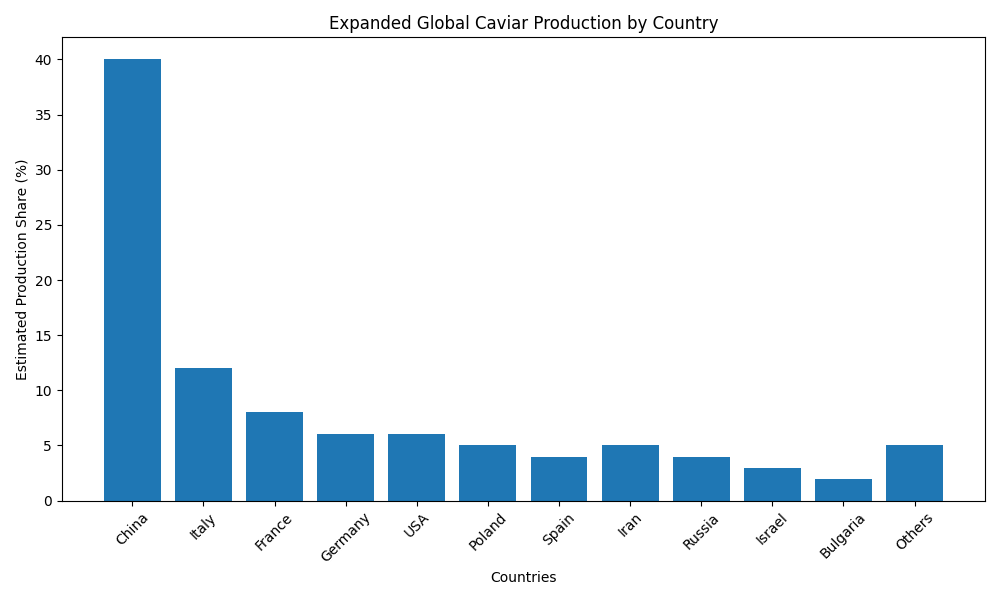
The Middle East, including Iran, continues to play a role, particularly in maintaining traditional methods and high-end products. However, the balance has clearly shifted. The industry is now defined by a mix of tradition and innovation, with farmed caviar accounting for nearly all legal production. This global distribution reflects the success of aquaculture in meeting demand while protecting natural resources. It also highlights how the industry has adapted to modern challenges, from environmental concerns to changing consumer expectations.
A New Era for Caviar
The journey from Iran to Italy is more than just a change in location. It represents a transformation in how caviar is produced, valued, and understood. What began as a tradition rooted in the Caspian Sea has become a global industry driven by sustainability and technology. Caviar production in West is now a defining feature of this new era. By embracing innovation, European producers have ensured that caviar remains available without putting wild sturgeon at risk. At the same time, they have maintained the sense of luxury and quality that makes caviar so special.
Looking ahead, the industry is likely to continue evolving. Advances in aquaculture, combined with a growing focus on environmental responsibility, will shape the future of caviar production. Yet, even as it moves forward, the influence of its Iranian origins remains strong. In fact, caviar production in Iran has not declined; it has transformed in a positive and forward-looking way. Today, many producers operate modern farms near the Caspian Sea, raising sturgeon in carefully controlled environments that replicate their natural habitat. By using clean water systems and non-GMO feeding methods, they are able to produce caviar that closely reflects the taste and texture of the nostalgic wild Caspian caviar once exported around the world, while ensuring sustainability and consistency. This blend of tradition and innovation shows that Iran is not stepping away from its legacy, but redefining it for a new era, where heritage, quality, and modern processing come together.
Ready to learn more about our fine caviar?
Our team is here to help with any questions. Just get in touch today!