Why Are Sturgeon Fish Endangered in the Caspian Sea?

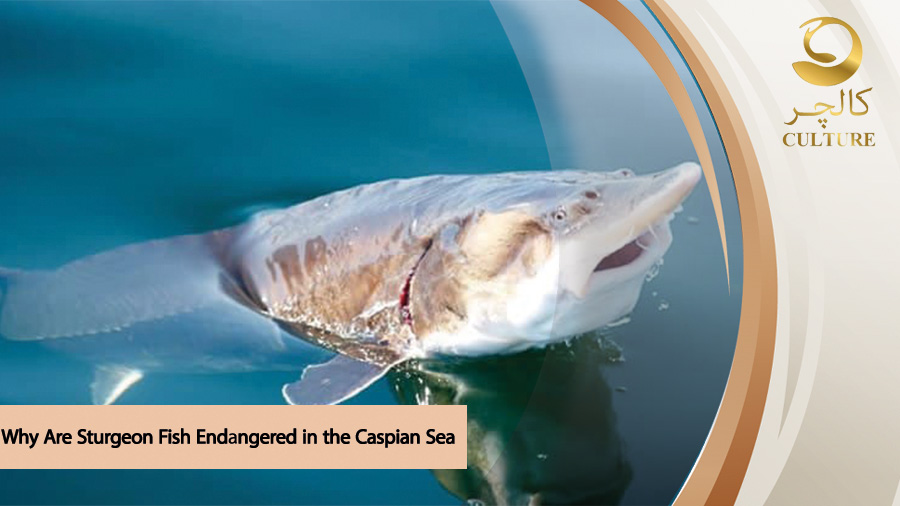
Sturgeon are among the oldest fish species on Earth, surviving for more than 200 million years. Yet today, these remarkable creatures are facing severe decline, especially in the Caspian Sea, a region once known as the heart of the global caviar trade. The growing crisis surrounding the endangered sturgeon is not caused by one issue alone. Instead, it is the result of overfishing, habitat loss, pollution, climate stress, and the slow biological cycle of the species itself. Understanding why sturgeon are endangered in the Caspian Sea requires a closer look at the environmental and economic forces that have shaped this region for decades.
The Caspian Sea: Home of the World’s Most Valuable Fish
The Caspian Sea has long been recognised as the world’s most important source of wild sturgeon. Historically, it produced the majority of global caviar, making it one of the most valuable inland water bodies in the fishing industry. For centuries, this unique ecosystem supported thriving populations of sturgeon species whose roe became known as one of the finest delicacies in the world. Among the most famous species found in the Caspian region are Beluga, Ossetra, and Sevruga sturgeon. Beluga is prized for its large, delicate eggs and commands some of the highest prices in luxury food markets. Ossetra is valued for its rich, nutty flavour, while Sevruga is known for its smaller eggs and intense taste. These species turned the Caspian Sea into the centre of global caviar production.
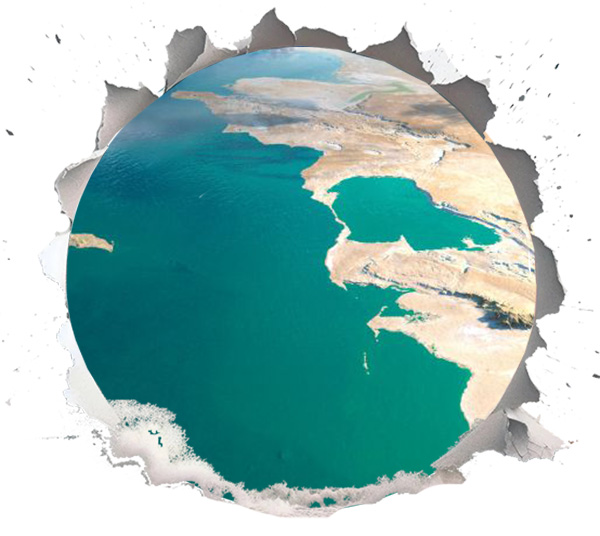
Beyond its economic role, sturgeon has cultural significance in the surrounding countries, including Russia, Iran, Kazakhstan, Azerbaijan, and Turkmenistan. For many communities, sturgeon fishing was more than a business; it was part of local identity and heritage. However, this high value also made these fish vulnerable to exploitation.
Overfishing and the Rise of Illegal Caviar Trade
The decline of the endangered sturgeon population accelerated dramatically in the late 20th century. During the Soviet era, fishing was tightly managed under state systems. However, after the collapse of the Soviet Union in 1991, regulations weakened, and enforcement became inconsistent. This created an opening for illegal fishing and black-market trade. Poaching increased rapidly as criminal networks recognised the enormous profits tied to caviar. Since wild sturgeon roe can sell for thousands of pounds per kilogram, the incentive to catch breeding females became extremely high.
At the same time, international demand for luxury caviar remained strong. Consumers in Europe, Asia, and North America continued to seek premium wild caviar, often without understanding the ecological cost. This demand pushed fishers to harvest beyond sustainable limits. As a result, wild sturgeon numbers in the Caspian Sea dropped sharply. The black market became one of the biggest drivers of decline, making conservation efforts far more difficult.
Habitat Destruction and Pollution
The health of sturgeon populations depends heavily on water quality and river access. Unfortunately, the Caspian region has experienced decades of environmental degradation. Industrial waste, oil extraction, and agricultural runoff have introduced harmful chemicals into both the sea and the connected rivers. These pollutants affect fish health, reduce food sources, and damage breeding grounds. For a species already under pressure, poor water conditions can significantly lower survival rates.
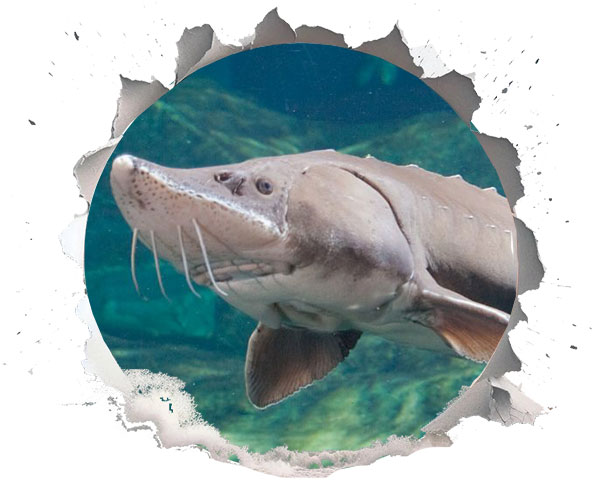
River damming has created another major problem. Sturgeon are migratory fish that move from the sea into rivers such as the Volga and Ural to spawn. Dams block these migration routes, preventing fish from reaching traditional breeding areas. This disruption has a direct effect on reproductive cycles. Without access to spawning grounds, fewer eggs are laid and fewer young fish survive. Protecting Sturgeon habitat is therefore essential if populations are to recover in the long term.
Climate Change and Environmental Stress
Climate change is adding a new layer of pressure to an already fragile ecosystem. Rising water temperatures in the Caspian Sea affect fish metabolism, breeding behaviour, and food availability. Warmer water can also reduce oxygen levels, creating stressful conditions for aquatic life. Lower oxygen concentrations make survival harder for sensitive species such as sturgeon, especially during early life stages.
In addition, climate-related shifts in water levels and salinity can disrupt the balance of the wider ecosystem. Scientists are increasingly studying the connection between marine stress and luxury food production, including the broader issue of climate change and caviar industry challenges. Another environmental factor in aquatic systems is invasive species. For example, researchers examining ecosystem decline often ask why is sea walnut harmful, as species like sea walnuts can alter food webs and worsen existing ecological pressures.
Together, these environmental stresses reduce the resilience of the endangered sturgeon and make recovery even more difficult.
Why Sturgeon Are Especially Vulnerable
Unlike many fish species, sturgeon do not reproduce quickly. Their life cycle makes them naturally vulnerable to overexploitation. Many sturgeon species take between 10 and 20 years to reach maturity. Some females only spawn every few years rather than annually. This means the population grows slowly, even under healthy conditions.
When adult fish are removed before reproducing, the consequences are severe. A single generation can take decades to replace. This low recovery rate is one of the main reasons why the endangered sturgeon remains at risk despite conservation measures. Compared to fast-growing fish species, sturgeon simply cannot rebound quickly after population collapse. Their biological traits demand long-term protection and careful management.
Conservation Efforts and International Regulations
Governments and conservation groups have introduced several measures to protect sturgeon populations in the Caspian region. Fishing bans and strict quotas have been implemented to reduce pressure on wild stocks. In some areas, commercial wild sturgeon fishing has been heavily restricted or suspended altogether.
International trade is also regulated through CITES, which monitors and controls the export of sturgeon products. These regulations aim to prevent illegal trade and ensure that caviar entering global markets is legally sourced. Breeding and restocking programmes have become another key strategy. Hatcheries raise juvenile sturgeon and release them into rivers to support wild populations. While these programmes are helpful, they are not a complete solution unless habitat conditions also improve.
The Role of Sustainable Aquaculture
As wild populations declined, the industry began shifting towards farmed caviar. Sustainable aquaculture now plays a major role in reducing pressure on natural ecosystems. Modern farms use advanced sturgeon farming techniques to raise fish in controlled environments. This allows producers to meet market demand without relying on endangered wild stocks. For many consumers, quality and sustainability now go hand in hand. Farms that prioritise ethical practices and environmental responsibility are increasingly valued in global markets.
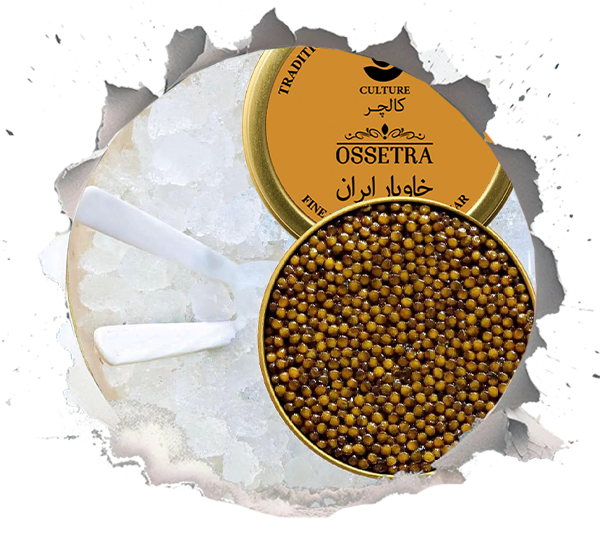
An important development in this sector is the rise of Non-GMO caviar. This approach supports natural breeding methods and aligns with consumer interest in clean, responsibly produced food. Non-GMO farming also strengthens brand trust and promotes sustainable luxury. By replacing wild harvest with farmed alternatives, aquaculture helps protect the endangered sturgeon while ensuring the future of the caviar industry.
Can Sturgeon Populations Recover?
Recovery is possible, but it will take time and commitment. Sturgeon populations cannot rebound overnight because of their slow reproductive cycle. Success depends on stronger law enforcement, healthier ecosystems, and responsible consumer choices. Protecting rivers, reducing pollution, and supporting legal aquaculture are all essential steps. Public awareness also matters. When buyers choose certified farmed caviar over illegal wild products, they directly reduce demand for poached fish. The future of the endangered sturgeon depends on balancing economic interests with ecological responsibility. With continued conservation efforts and informed consumer decisions, these ancient fish still have a chance to survive in the Caspian Sea for generations to come.