Butter, Cream, or Oil? The Best Fat Pairing for Caviar

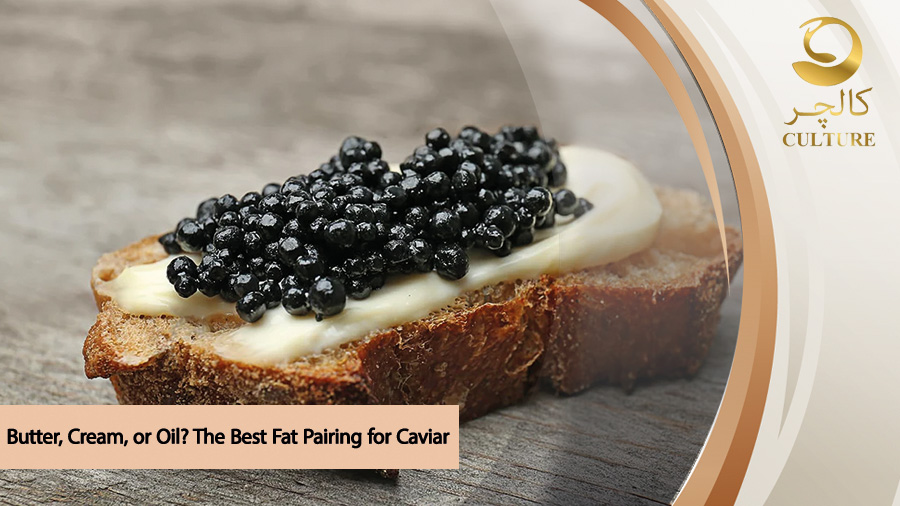
Caviar’s delicate pearls, subtle brininess, and complex umami notes make it a luxury worth savouring properly. Yet, while much attention is given to the type of caviar or how it is served, one key element is often overlooked: fat. Choosing the best fat pairing can transform the tasting experience entirely, elevating caviar from excellent to unforgettable. Understanding how butter, cream, and oil interact with caviar helps you appreciate why certain combinations work so well. Each fat brings a different texture, flavour profile, and effect on the palate, and knowing when to use each is essential for anyone looking to enjoy caviar at its best.
Why Fat Enhances Caviar Flavour
At its core, the relationship between fat and caviar is grounded in simple food science. Caviar is naturally rich in salt and umami, with delicate marine notes that can easily become overwhelming if not balanced properly. Fat plays a crucial role here because it acts as a carrier of flavour compounds. When combined with caviar, fat helps distribute these flavours more evenly across the tongue, allowing for a smoother and more rounded tasting experience.
Texture also plays an important part. The soft, creamy nature of fat contrasts beautifully with the gentle pop of caviar eggs. This contrast creates what chefs often call “texture synergy”, where the combination feels more satisfying than either element on its own. Without fat, caviar can sometimes taste too sharp or intense. With the right fat, it becomes balanced, elegant, and far more enjoyable.
This is why traditional caviar service often includes a neutral base, such as blinis or toast, paired with a fatty element. Whether you are preparing a refined tasting menu or simple finger food with caviar, understanding the role of fat is essential in choosing the best fat pairing for your dish.
Butter: The Classic Pairing
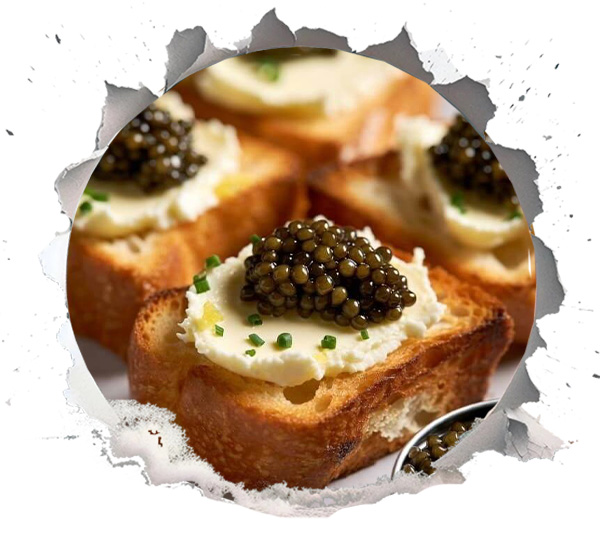
Butter is widely considered the gold standard when it comes to pairing with caviar. Its appeal lies in its simplicity. High-quality, unsalted butter offers a smooth, creamy texture without introducing competing flavours. This neutrality allows the true character of the caviar to shine through. When you place a small amount of butter beneath a spoonful of caviar, the effect is immediate. The butter softens the saltiness and enhances the natural richness of the roe, while also extending the flavour on the palate. Instead of a quick burst of taste, you experience a longer, more layered finish.
Butter is particularly well-suited to delicate caviar varieties, especially those with a smooth, buttery profile like the Beluga caviar. These types benefit from a pairing that enhances rather than alters their natural taste. In this context, butter becomes the best fat pairing because it works almost invisibly, supporting the caviar without drawing attention to itself. It is important, however, to use butter carefully. It should always be unsalted and used in small quantities. Too much butter can overwhelm the caviar, which defeats the purpose of the pairing. The goal is balance, not dominance.
Cream: Softening and Balancing Salt
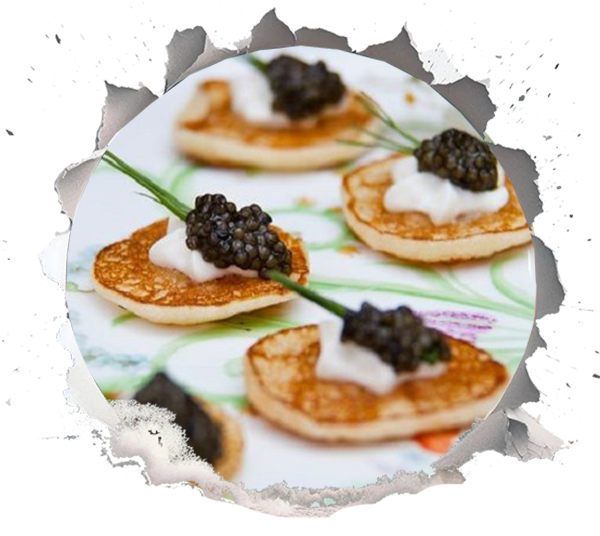
While butter enhances, cream transforms. Cream, particularly crème fraîche, introduces a slightly tangy and subtly sweet note that can soften the stronger aspects of caviar. This makes it an excellent choice for more robust varieties, which may have a sharper or more pronounced briny flavour. The richness of cream helps to mellow out the intensity, creating a smoother and more approachable taste. This is why cream is often used in more composed dishes, where caviar is part of a larger flavour profile rather than the sole focus. It blends well with other ingredients and adds a luxurious mouthfeel that complements the roe.
For those who find certain types of caviar too strong on their own, cream can be the best fat pairing because it balances rather than simply enhances. It rounds off the edges and creates a more harmonious experience overall. Crème fraîche, in particular, is a popular choice because its slight acidity cuts through the richness without overpowering the caviar. This delicate balance makes it a favourite among chefs who want to create refined yet accessible dishes.
Cream-based pairings also work beautifully alongside drinks. If you are exploring combinations, you may find that a creamy caviar dish pairs differently with beverages compared to a butter-based one. This is where considering the best wine for caviar or even the best champagne for caviar can further enhance the overall experience.
Oils: Modern and Experimental Pairings
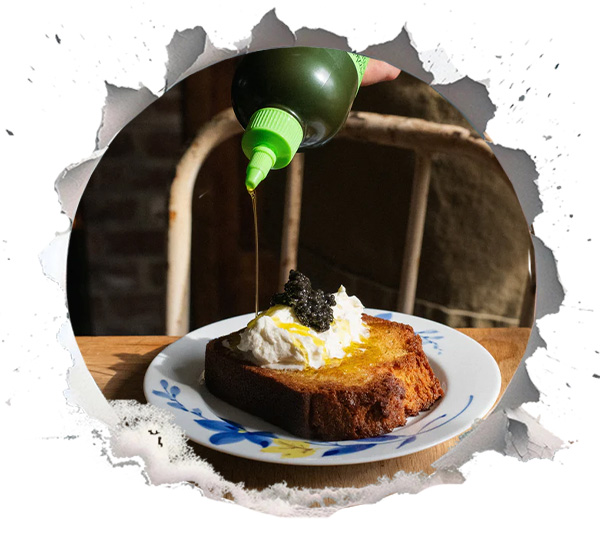
Oil is a more contemporary choice when it comes to caviar pairings. Unlike butter and cream, which are rooted in tradition, oils offer a modern approach that can bring new dimensions to the dish. They provide the necessary fat to carry flavour, but with a lighter texture and a cleaner finish. Olive oil is one of the most commonly used options, though it must be chosen carefully. A mild, high-quality olive oil can complement caviar without overwhelming it, while a strong or peppery oil may mask its delicate notes. The key is subtlety.
Nut oils, such as walnut or hazelnut oil, can also be used in small amounts to add a gentle layer of flavour. These pairings are more experimental and are often found in modern cuisine, where chefs aim to create unexpected combinations. Oil can be the best fat pairing in situations where a lighter, dairy-free option is desired. It works particularly well in seafood dishes or minimalist presentations where the focus is on freshness and clarity of flavour.
However, oil does not provide the same creamy texture as butter or cream. As a result, it tends to be less effective at creating that luxurious mouthfeel traditionally associated with caviar. It is best used when you want to explore new flavours rather than replicate classic experiences.
What Not to Pair with Caviar
Just as important as choosing the right fat is avoiding the wrong one. Caviar is delicate, and overpowering fats can easily ruin its subtle qualities. Strongly flavoured oils, heavily salted butter, or overly rich sauces can dominate the palate and mask the natural taste of the roe. Fats with pronounced aromas, such as truffle oil or heavily spiced butter, should be used with extreme caution, if at all. While they may work well in other dishes, they tend to clash with caviar rather than complement it.
Similarly, very heavy fats can create an unpleasant texture, making the dish feel dense instead of refined. The goal is always to enhance, not overwhelm. This is why simplicity is often the best approach when deciding on the best fat pairing.
Finding the Best Fat Pairing
Ultimately, the choice between butter, cream, and oil depends on the type of caviar and the experience you want to create. Butter remains the classic option for those who wish to highlight the purity of the caviar itself. Cream offers balance and softness, making it ideal for stronger flavours or more complex dishes. Oil provides a modern twist, perfect for lighter or more experimental presentations.
There is no single answer that fits every situation, but understanding how each fat interacts with caviar allows you to make informed choices. By focusing on balance, texture, and flavour harmony, you can ensure that your pairing enhances rather than overshadows the caviar. In the end, discovering the best fat pairing is about refinement and restraint. With the right approach, even a small amount of caviar can become a truly memorable culinary experience.
FAQ
Yes, but it should be done carefully. Combining, for example, butter and cream can work in layered dishes, but too many fats at once may dull the caviar’s flavour rather than enhance it.
A mild, neutral oil such as light olive oil or grapeseed oil is the safest choice. Strong or peppery oils can easily overpower the delicate flavour of caviar.
Absolutely. Fat should always be used sparingly. The aim is to support the caviar, not cover it.
Yes, fats can extend the flavour on the palate. This is why buttery pairings often feel more lingering and luxurious compared to lighter options.