Sustainable Food Science: Revolutionary Gourmet Food Industry

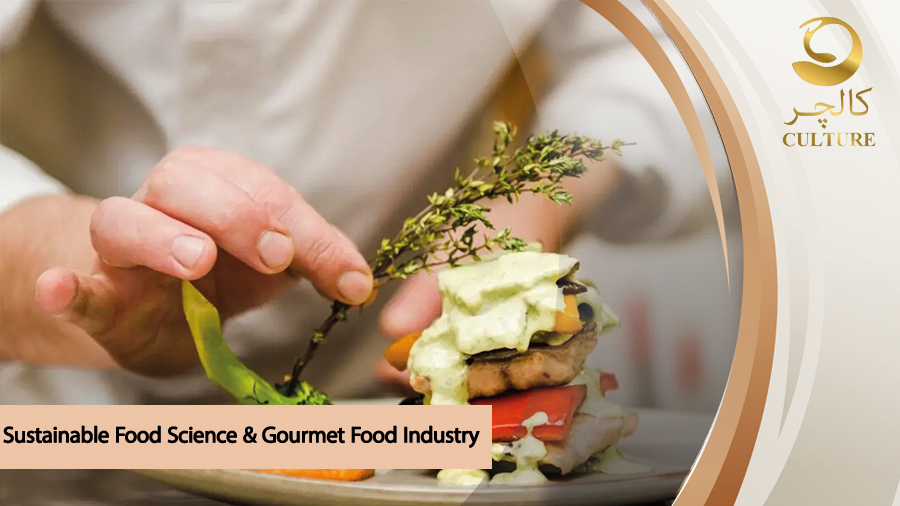
In the world of gourmet food, few items carry the aura of pure indulgence quite like caviar. Those tiny, glistening pearls burst with briny elegance on the tongue, evoking images of refined dining across Europe. But today, the story behind that perfect spoonful goes far beyond rarity or tradition. It’s rooted in sustainable food science, a field where research labs and cutting-edge technology are transforming how we produce luxury ingredients. At Culture Caviar, we see ourselves as part of a pioneering group. We treat gourmet food not as an art reliant on chance, but as a precise science driven by data. Research and development (R&D) labs are replacing old guesswork with sensors, monitoring systems, and controlled environments. This shift ensures every batch delivers the same exceptional quality. No more variability from season to season or farm to farm. Instead, consistency becomes the hallmark of true luxury.
Sustainable food science focuses on innovation that protects the planet while elevating flavour and safety. For caviar, this means advanced aquaculture, refined processing, and rigorous testing. These advancements allow us to offer products that are not only delicious but also ethical and reliable. European consumers, who value quality and responsibility, are driving this change. They want indulgence without compromise. This article explores how labs are leading the charge. We’ll look at aquaculture research, processing methods, microbiological testing, and emerging technologies like cellular agriculture. Along the way, we’ll see how safety and consistency now define luxury as much as taste does.
The Rise of Precision Aquaculture: Data-Driven Farming for Superior Caviar
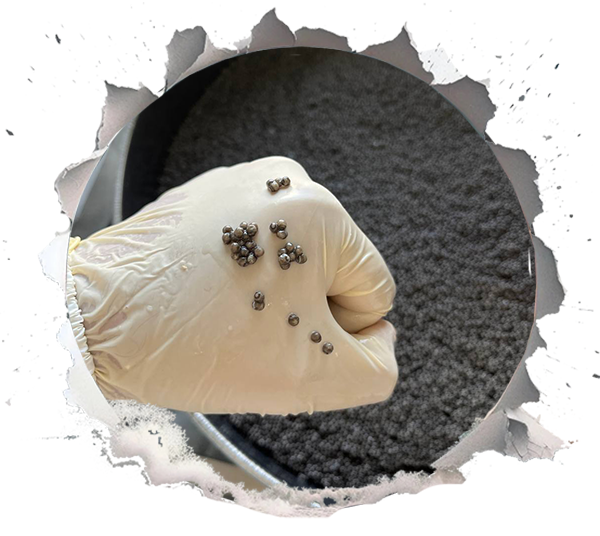
Precision aquaculture is changing how we farm sturgeon for caviar. Labs and farms now use advanced tools to control every part of the process. This data-driven approach removes uncertainty, leading to healthier fish, better roe, and a more reliable supply. In Europe, where demand for ethical luxury grows, these methods set new standards for quality and care.
Recirculating Aquaculture Systems: Efficient and Eco-Friendly Foundations
Modern sturgeon farms rely on recirculating aquaculture systems (RAS). These indoor setups clean and reuse water, often recycling up to 99% of it. This saves vast amounts of fresh water compared to open ponds or flow-through methods. European producers, such as those in Romania and Moldova, lead with RAS technology. They maintain crystal-clear conditions using biofilters, UV disinfection, and oxygenation units. The closed environment shields fish from external pollutants and disease, creating a stable home that promotes steady growth. Farmers fine-tune every detail with automated controls. This precision means sturgeon develop roe at predictable rates, delivering consistent pearl size and texture year after year.
Advanced Monitoring with Sensors and AI
Sensors now track key factors like dissolved oxygen, ammonia levels, and pH around the clock. Connected to smart platforms, they alert farmers instantly to any changes. This allows quick fixes before small issues affect the fish. Recent AI breakthroughs take monitoring further. In 2025 projects, underwater cameras and machine learning identify sturgeon sex without handling the fish. This reduces stress and improves breeding planning. Predictive tools also forecast growth patterns and spot early health signs, helping farms prevent problems proactively. These technologies turn vast data into clear insights. Farmers make informed decisions daily, ensuring optimal conditions that enhance roe flavour and quality.
Optimised Nutrition Through Innovative Feeds
Nutrition plays a vital role in roe development. Recent research explores plant-based and alternative proteins to replace traditional fishmeal. Studies from 2025-2026 show ingredients like mealworm meal, soybean hydrolysates, and hazelnut meal boost growth in Siberian sturgeon. These feeds improve weight gain, feed efficiency, and overall health. Formulas rich in omega-3s from algae or modified plants maintain the rich, buttery taste caviar lovers expect. Automated feeders deliver precise portions based on real-time data, avoiding waste and ensuring balanced nutrition. This scientific feeding approach creates uniform roe across harvests, elevating consistency to a new level.
Non-Invasive Techniques for Health and Harvest Timing
Ultrasound imaging helps farmers monitor roe maturity gently and accurately. Scans reveal egg development without sedation or invasion, allowing precise harvest timing. Combined with hormonal cues in some systems, this supports “no-kill” methods where sturgeon yield multiple harvests over years. These tools prioritise welfare while maximising quality. Eggs reach ideal ripeness, producing pearls with superior firmness and flavour.
The Impact on Sustainability and Caviar Excellence
Precision aquaculture protects wild sturgeon populations by meeting demand through farming. It cuts water use, eliminates runoff pollution, and lowers carbon footprints compared to older methods. The outcome is caviar that excels in safety, traceability, and reliability. At Culture Caviar, we adopt these innovations to deliver pearls that burst with consistent elegance—proof that data-driven science enhances true luxury. For those seeking sustainable caviar, this means a product that’s ethically sourced and consistently superior.
Mastering Processing: Turning Science into Sensory Perfection
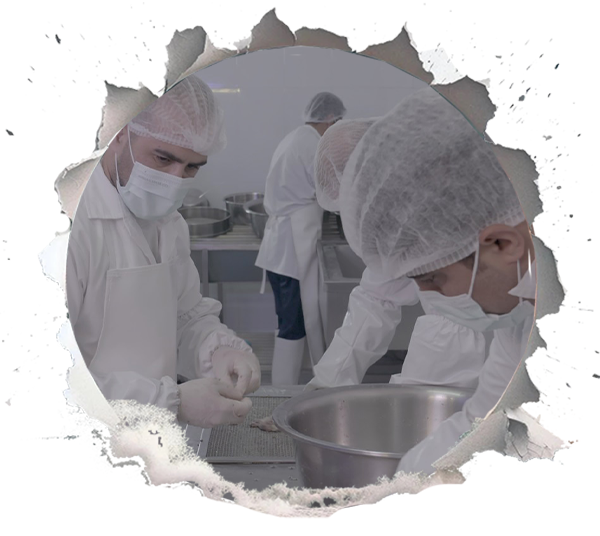
Processing is where raw roe becomes the refined caviar that graces European tables. Modern facilities use controlled environments and smart tools to handle every egg with care. This stage locks in flavour, texture, and safety, turning potential variation into guaranteed excellence. Data guides each decision, from timing to temperature, creating pearls that deliver the same satisfying burst every time. At Culture Caviar, we view processing as a blend of precision engineering and sensory expertise. Labs analyse outcomes constantly, refining techniques for optimal results. This data-driven method elevates consistency to a core element of luxury, alongside impeccable taste.
Gentle Roe Extraction: Prioritising Welfare and Quality
Extraction begins immediately after harvest to preserve freshness. In advanced setups, specialists use gentle pressure or small incisions, often combined with hormonal triggers that encourage natural release. “No-kill” approaches allow sturgeon to continue living, supporting multiple yields over a lifespan of decades. Clean, chilled rooms maintain low temperatures to slow any enzymatic changes that could soften membranes. Quick handling prevents bruising, keeping eggs firm and intact. This careful start sets the foundation for uniform texture.
Separation and Initial Cleaning: Removing Membranes with Precision
Roe sacs go through fine sieves or mesh screens that separate eggs from connective tissues. Cool, filtered water rinses away residues without causing damage. Some facilities employ low-pressure water jets or vibration tables for efficiency while protecting delicacy. Timing is tracked digitally—too long risks flavour loss, too short leaves impurities. The result: clean, individual pearls ready for the next steps.
Optical Sorting and Grading: Technology Meets Expertise
Grading now often involves optical scanners and high-resolution cameras. These systems measure diameter, colour uniformity, and surface sheen in seconds, sorting thousands of eggs accurately. Human experts oversee the process, calibrating machines against sensory benchmarks. Grades reflect size (larger often prized for bolder burst) and visual appeal. This combination ensures only top-tier pearls proceed, delivering predictable elegance in every tin.
Controlled Salting: Crafting the Signature Briny Depth
Salting, traditionally “malossol” or lightly salted, draws on exact formulations. Producers weigh pure sea salt to precise percentages, often 3–5% of the roe weight, and mix gently in temperature-controlled tumblers. Monitoring devices track moisture release and absorption rates. Recent refinements include timed exposure and humidity controls that prevent over-salting. The outcome: balanced brininess that enhances natural nuttiness without overpowering it.
Preservation Pathways: Balancing Freshness and Shelf Life
Many premium caviars stay fresh and unpasteurised for purest flavour, relying on rapid chilling and strict hygiene. Others undergo gentle pasteurisation—heating briefly in sealed jars—to extend availability while retaining most sensory qualities. Vacuum sealing removes oxygen, slowing oxidation. Some use modified atmosphere packaging with inert gases. Choices depend on destination and diner preference, but all prioritise maintaining that creamy mouthfeel.
Packaging and Traceability: From Facility to Table
Final packing happens in sterile zones. Tins or glass jars fill under laminar flow hoods, then seal with precision torque. Labels often include QR codes linking to batch details—farm origin, harvest date, and lab results. This transparency builds trust. Cold-chain sensors continue monitoring during transport, ensuring pearls arrive in peak condition.
The Power of Data in Achieving Flawless Consistency
Throughout processing, instruments capture metrics—texture profiles, salt penetration, colour spectra. Labs feed this data into models that predict and adjust outcomes for future batches. This scientific loop minimises variation, making every spoonful reliably luxurious. Safety and consistency, backed by evidence, now rival taste as defining features of high-end caviar. At Culture Caviar, we harness these advancements to offer pearls that embody precision and pleasure. The result is indulgence you can count on—time after time.
The Cutting Edge: Cellular Agriculture and the Future of Caviar
Looking ahead, sustainable food science is venturing into cellular agriculture. This groundbreaking field grows food directly from cells, bypassing traditional farming entirely. In 2025, companies like Umami Bioworks launched hybrid caviar products. These blend cultured sturgeon cells with plant-based elements, such as seaweeds for texture and natural binders. The result mirrors traditional caviar: velvety pearls rich in omega-3s, with that unmistakable briny burst.
These hybrid sturgeon approaches use far less water and land. They offer perfect uniformity, every pearl identical, and eliminate risks associated with live animals. Partnerships with European chefs are already showcasing these innovations in high-end menus. Pure cell-based versions are advancing rapidly too. Bioreactors cultivate roe in controlled lab settings, scaling production without environmental strain. As awareness grows, analysts predict significant market expansion by the end of the decade. This futuristic direction aligns perfectly with sustainable food science goals: endless supply, zero overfishing, and unwavering quality.
Dispelling Caviar Myths: Science Over Stereotypes
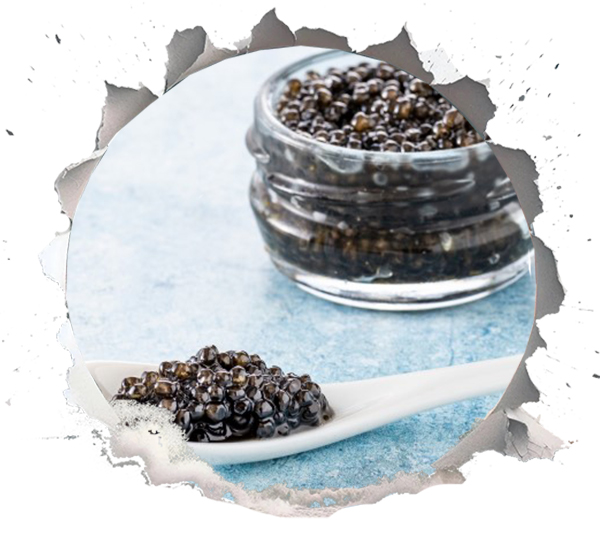
Many outdated ideas linger about caviar. Some believe only wild-sourced is authentic, or that farming compromises quality. Others think luxury means excess, ignoring ethics. Modern research debunks these caviar myths. Data proves farmed and innovative caviar often surpasses wild in consistency and safety. Sustainability enhances, rather than diminishes, the experience.
Redefining Luxury in the Age of Sustainable Food Science
Today’s gourmet landscape demands more than rare taste. Luxury now encompasses safety, consistency, and responsibility. European palates, shaped by cultural appreciation for thoughtful cuisine, embrace this evolution. At Culture Caviar, we lead by integrating these scientific advances. Our products deliver reliable excellence, pearls that pop perfectly, every time, with full traceability. Sustainable food science isn’t just revolutionising the industry; it’s securing its future. By replacing guesswork with data, labs ensure gourmet delights remain accessible and admirable for generations. Whether through precision aquaculture, meticulous processing, stringent testing, or cellular breakthroughs, the message is clear: innovation elevates indulgence. We invite you to experience this new era. Discover how science makes every spoonful extraordinary.
FAQ
Classic matches include ice-cold vodka, dry Champagne, or crisp white wines such as Sauvignon Blanc.
It provides high levels of omega-3 fatty acids, quality protein, vitamin B12, iron, and selenium to support health.
Hybrid and fully cell-cultured options are now reaching markets, delivering excellent taste while being fully sustainable.